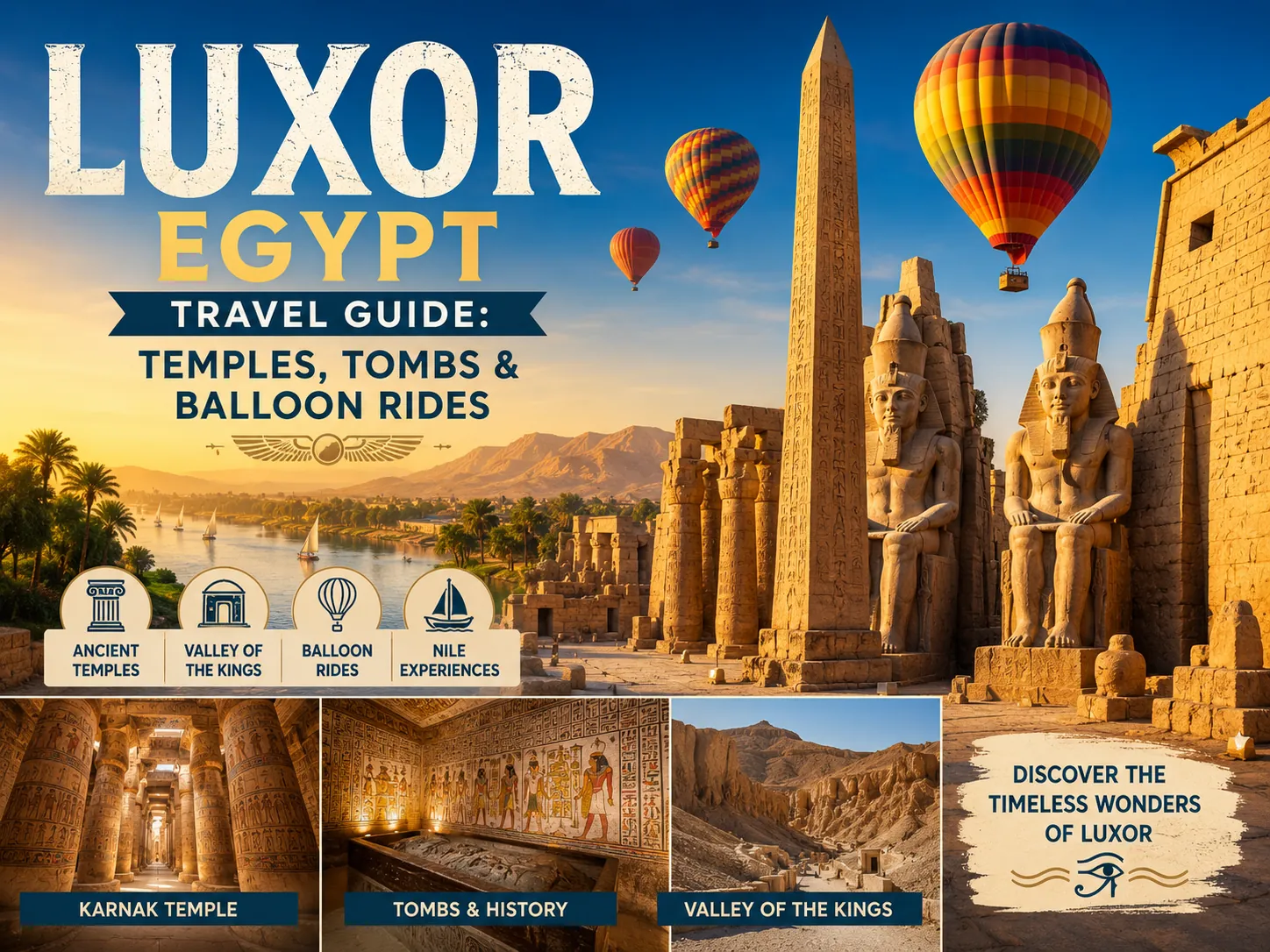
If you’re dreaming of ancient wonders, vibrant culture, and once-in-a-lifetime adventures, then this Luxor Egypt travel guide is your essential companion. Luxor, often described as the world’s greatest open-air museum, mesmerizes visitors with its legendary temples, mighty Nile River, mystical tombs, and unforgettable sunrise balloon journeys. Whether it’s your first visit to Egypt or your tenth, you’ll find Luxor endlessly fascinating and full of surprises.
Why Visit Luxor? An Introduction to Egypt’s Timeless Treasure
Luxor, ancient Thebes, holds more of Egypt's great monuments than almost anywhere else: Karnak and Luxor temples on the East Bank, and the Valley of the Kings, the Temple of Hatshepsut and the Colossi of Memnon on the West Bank. Add a sunrise balloon flight and felucca rides, and it rewards three or four days.
Luxor, built on the banks of the Nile, is a city that brings you face-to-face with the glory of ancient Egypt. What was once the pharaohs’ capital, Thebes, offers an unparalleled glimpse into millennia-old civilization. Here, the past blends seamlessly with the present — from bustling souks to tranquil felucca rides at sunset.
- Explore awe-inspiring ancient temples
- Discover legendary tombs of pharaohs and queens
- Experience Egypt’s best hot air balloon rides at dawn
- Enjoy authentic Egyptian hospitality and cuisine
- Stroll along the Nile at golden hour
As you read through this Luxor Egypt travel guide, you’ll find expert insights and practical tips to make your trip magical.
What Are the Top Attractions in Luxor?
Luxor's top attractions are the Valley of the Kings, with more than 60 royal tombs including Tutankhamun's; Karnak Temple and its Great Hypostyle Hall of 134 columns; Luxor Temple, best seen lit up at night; the Temple of Hatshepsut; Medinet Habu; the Colossi of Memnon; and a sunrise hot air balloon flight.
The Valley of the Kings: Egypt’s Royal Necropolis
No visit to Luxor is complete without exploring the enchanting Valley of the Kings. This UNESCO World Heritage Site is home to more than 60 elaborately decorated tombs belonging to Egypt’s most powerful pharaohs, including the legendary Tutankhamun. Walk through dazzling corridors lined with ancient hieroglyphics and marvel at the artistry that brings 3,000-year-old history to life.
- Don’t miss: The tombs of Ramses VI, Seti I, and Tutankhamun (there’s an additional ticket for these special tombs).
- Photography is now allowed in most tombs (without flash) — capture these unforgettable moments!
- Arrive early in the morning for fewer crowds and cooler temperatures.
Karnak Temple Complex: The Heart of Pharaohs’ Worship
Sprawling over 200 acres, the mighty Karnak Temple Complex is Luxor’s most impressive architectural marvel. Dedicated primarily to the god Amun, Karnak offers visitors a chance to wander through a forest of gigantic columns, intricate obelisks, and sacred lakes. Each generation of rulers left their mark here, making it a living timeline of ancient Egyptian glory.
- Stroll along the magnificent Avenue of Sphinxes that once linked Karnak to Luxor Temple.
- Stand in awe beneath the gigantic Hypostyle Hall with its 134 towering columns.
- Attend the mesmerizing evening Sound & Light Show for a magical storytelling experience.
Luxor Temple: Nighttime Magic on the Nile
Located in the heart of modern Luxor, Luxor Temple comes alive at dusk. Floodlit columns and statues create an unforgettable atmosphere, perfect for an evening stroll. Built by Amenhotep III and later added to by Tutankhamun and Ramses II, this temple seamlessly bridges the ancient with the modern, right beside Luxor’s lively Corniche.
- Visit at sunset or after dark for the most enchanting photographs.
- Learn about the temple’s changing roles through centuries, from a seat of Pharaoh power to a Roman fortress and a Coptic church.
Is a Hot Air Balloon Ride in Luxor Worth It?
Yes. A sunrise balloon flight over Luxor's West Bank is one of Egypt's most memorable experiences, with views of the Valley of the Kings, the Temple of Hatshepsut, the Nile and green fields as the sun rises. Flights last about 30 to 60 minutes, and pickup is usually before dawn.
One of the most exhilarating experiences you can have is to see Luxor’s wonders from above. Hot air balloon rides at sunrise offer breathtaking views, floating gently over the Nile valley, the Valley of the Kings, and farmlands as the morning sun paints the landscape gold. It’s an adventure that truly sets your heart racing and creates memories for a lifetime.
- Book your balloon ride in advance with a reputable operator for safety and the best price.
- Be prepared for an early start — pick-up times are often before dawn!
- Bring a camera and warm layers for the chilly pre-sunrise air.
What Is There to See on Luxor's West Bank?
Luxor's West Bank was the city of the dead. Beyond the Valley of the Kings, you can visit the terraced Temple of Hatshepsut at Deir el-Bahari, Medinet Habu, the vast and well-preserved temple of Ramses III, and the Colossi of Memnon, two giant statues of Amenhotep III. Start early to avoid the heat.
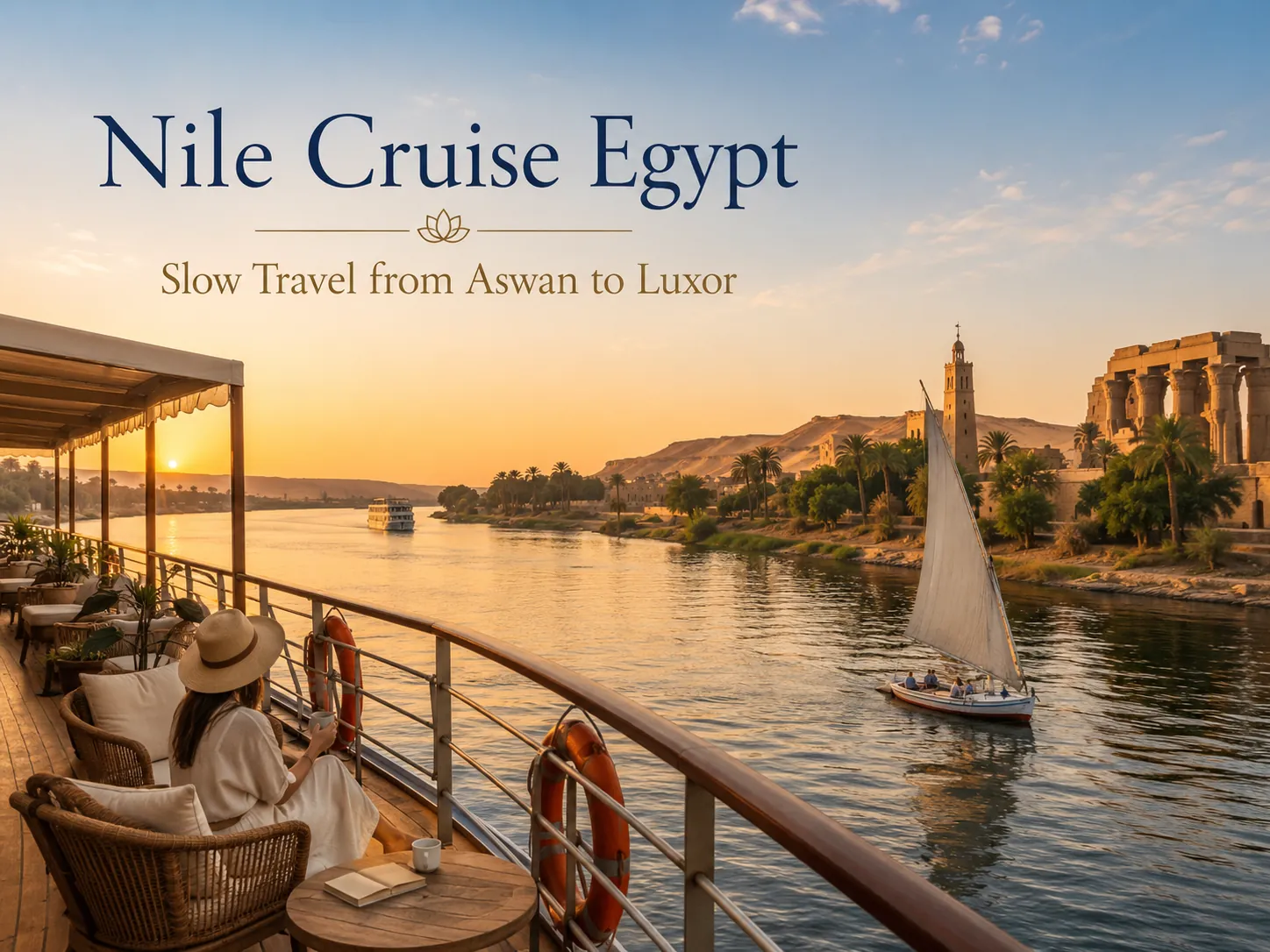
Short on time? Our Luxor day trip from Hurghada covers Karnak, the Valley of the Kings, the Temple of Hatshepsut and the Colossi of Memnon in one day, while the 4-day Nile cruise from Aswan to Luxor ends with guided visits to both banks of Luxor.
Medinet Habu: The Mortuary Temple of Ramses III
Medinet Habu is less crowded but just as spectacular. Admire massive reliefs depicting battles and victories — the temple is dedicated to Ramses III and is one of the best-preserved in Luxor.
Hatshepsut Temple: Egypt’s Trailblazing Queen
Rising dramatically from cliffs, the Temple of Hatshepsut is unique among Luxor’s monuments. Celebrate the legacy of Egypt’s greatest female ruler in a breathtaking setting.
Colossi of Memnon: Ancient Guardians of the West
These two towering statues are all that remain of a once-magnificent temple. Perfect for a quick stop and amazing photographs — especially in the early morning light.
What Should You Know Before Visiting Luxor?
Visit Luxor between October and April if you can, and start sightseeing early, as the sun is intense and there is little shade. Carry small Egyptian pound notes for tips and markets, dress in light, modest clothes, drink plenty of bottled water and expect friendly haggling in the souks.
- Best time to visit: October through April, when temperatures are pleasant.
- Getting around: Taxis, bicycle rentals, and guided tours are excellent options.
- Currency: Egyptian Pound (EGP); bring small notes for tips and markets.
- Dress modestly: Out of respect for culture and climate, opt for light, loose-fitting clothes.
- Bargain at the souks: Friendly haggling is part of the experience in local markets.
- Stay hydrated: Carry bottled water — Luxor’s sun can be intense!
Where Should You Stay in Luxor?
Stay on the East Bank for convenience: it has most hotels, restaurants and the Corniche, with historic options such as the Sofitel Winter Palace and resorts with Nile views. The quieter West Bank suits travelers who want guesthouses, village life and early access to the tombs and temples.
Luxor offers a range of accommodation options to suit every budget and style:
- Luxury: Enjoy the elegance of properties like the historic Sofitel Winter Palace or the Hilton Luxor Resort & Spa, both offering spectacular Nile views.
- Mid-range: Many hotels on the east bank provide comfort and convenient access to key attractions.
- Budget: Find charming guesthouses and hostels, especially on the relaxed West Bank, which is perfect for travelers seeking local flavor and peace.
What Are Food and Nightlife Like in Luxor?
Luxor's food is simple and good: koshari, grilled meats, fresh Nile fish and ful with baladi bread for breakfast, often enjoyed at riverside cafes. Nightlife is low-key rather than wild — think shisha cafes, hotel bars, an evening walk past the floodlit Luxor Temple and the Karnak sound and light show.
Food lovers will enjoy sampling local delights in Luxor. From rich koshari to juicy grilled meats and fresh Nile fish, the city caters to every taste.
Top Tips for Foodies
- Try a traditional Egyptian breakfast: foul medames and fresh baladi bread.
- Sample street food for a quick and tasty meal — just be sure it’s cooked fresh and served hot.
- Enjoy coffee or tea in a riverside cafe as you watch the world float by.
While Luxor is not known for wild nightlife, you’ll find lively shisha cafes, friendly bars, and the occasional Nile-side party.
What Should You Buy in Luxor?
The best souvenirs from Luxor are hand-painted papyrus, alabaster carvings from West Bank workshops, Egyptian cotton scarves and clothing, spices, perfumed oils and silver or beaded jewelry. Prices in the souk are usually negotiable, so browse first, bargain with a smile and walk away politely if the price doesn't feel right.
The markets and bazaars are bursting with treasures:
- Hand-painted papyrus artwork
- Egyptian cotton scarves and garments
- Alabaster statues and carvings
- Fragrant spices and perfumed oils
- Traditional jewelry with colorful stones
Remember to enjoy the bargaining process — it’s not just about the deal, but the interaction!
Luxor Egypt Travel Guide FAQ
Is Luxor safe for foreign tourists?
Yes, Luxor is generally safe and welcoming for tourists. Police and tourist security are highly visible at major attractions. As always, stay aware of your surroundings and take standard travel precautions.
How many days should I spend in Luxor?
Ideally, plan for 3 to 4 days. This allows enough time to visit key sites, enjoy a hot air balloon ride, and relax along the Nile.
What should I wear when visiting temples and tombs?
Dress modestly; shoulders and knees should be covered, especially inside religious or sacred sites. Comfortable shoes are a must as grounds are often uneven.
Should I hire a guide in Luxor?
Absolutely! A knowledgeable local guide can enrich your experience with captivating stories and insights, ensuring you don’t miss any highlights.
Conclusion: Your Ultimate Luxor Egypt Travel Guide Awaits
Luxor is a city where timeless history, adventure, and heartfelt hospitality meet. Whether you’re wandering among pharaohs’ tombs, soaring over the landscape in a hot air balloon, or sipping mint tea at sunset, every moment becomes a cherished memory. Use this Luxor Egypt travel guide to craft your own unforgettable journey through one of the world’s greatest wonders. Pack your sense of adventure and curiosity — incredible stories, friendly faces, and legendary sites await where the desert meets the Nile!