
Tour Overview
Experience one of the greatest archaeological wonders in Egypt with an unforgettable journey to the magnificent Abu Simbel Temples. Discover the legendary temples of Ramses II and Queen Nefertari carved directly into the mountains over 3,000 years ago. Located near the borders of southern Egypt, Abu Simbel is considered one of the most breathtaking ancient sites in the world and a must-visit destination for history lovers and travelers exploring Aswan.
Tour Highlights
- Witness the magnificent temples of Ramses II and Queen Nefertari.
- Explore what is celebrated as one of the greatest monuments of ancient Egypt.
- Relax during your journey with our private air-conditioned transportation, ensuring a comfortable and safe trip.
- Enjoy a seamless and enriching experience accompanied by a professional Egyptologist tour guide.
Tour Route
The Story of Abu Simbel
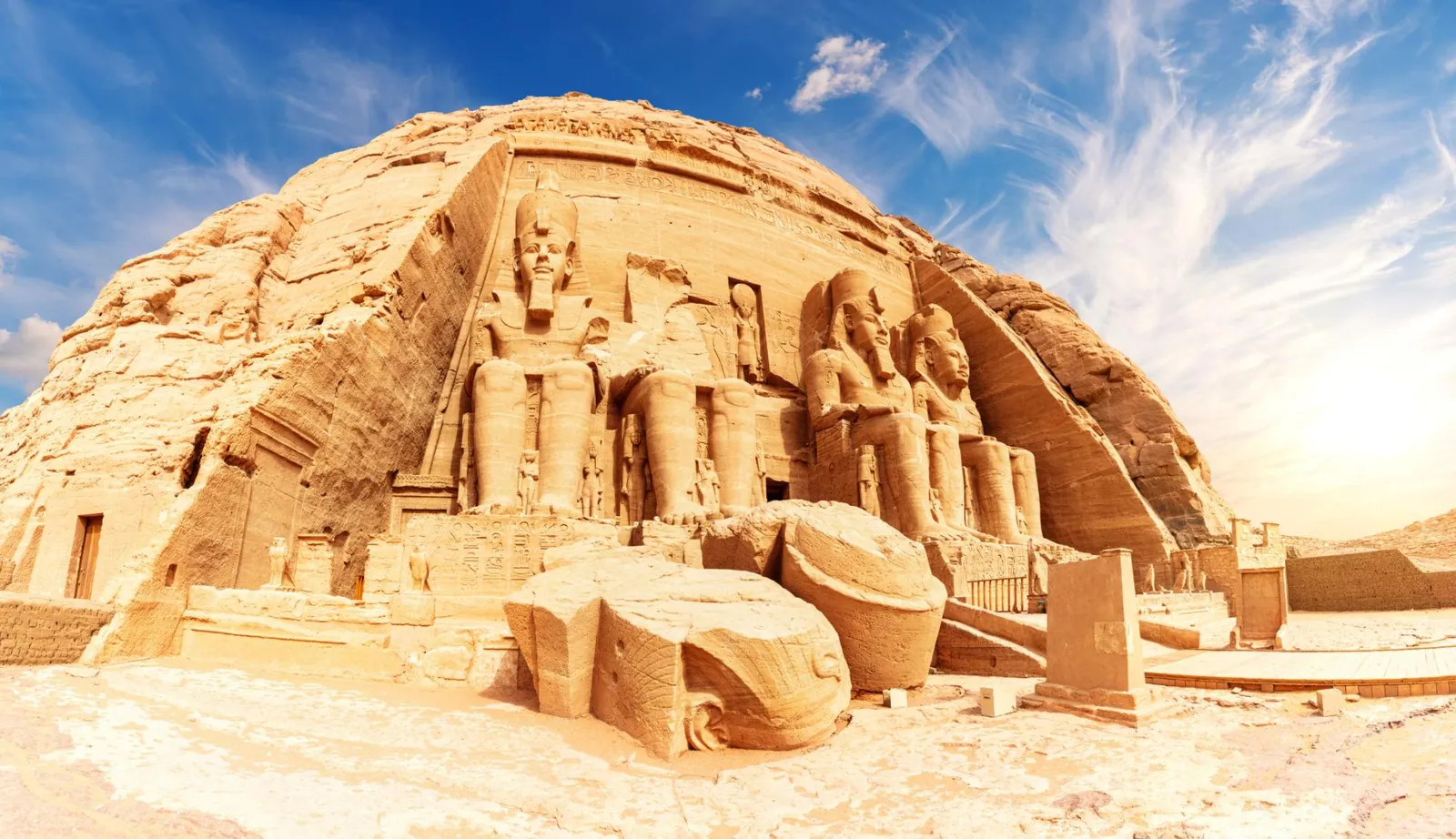
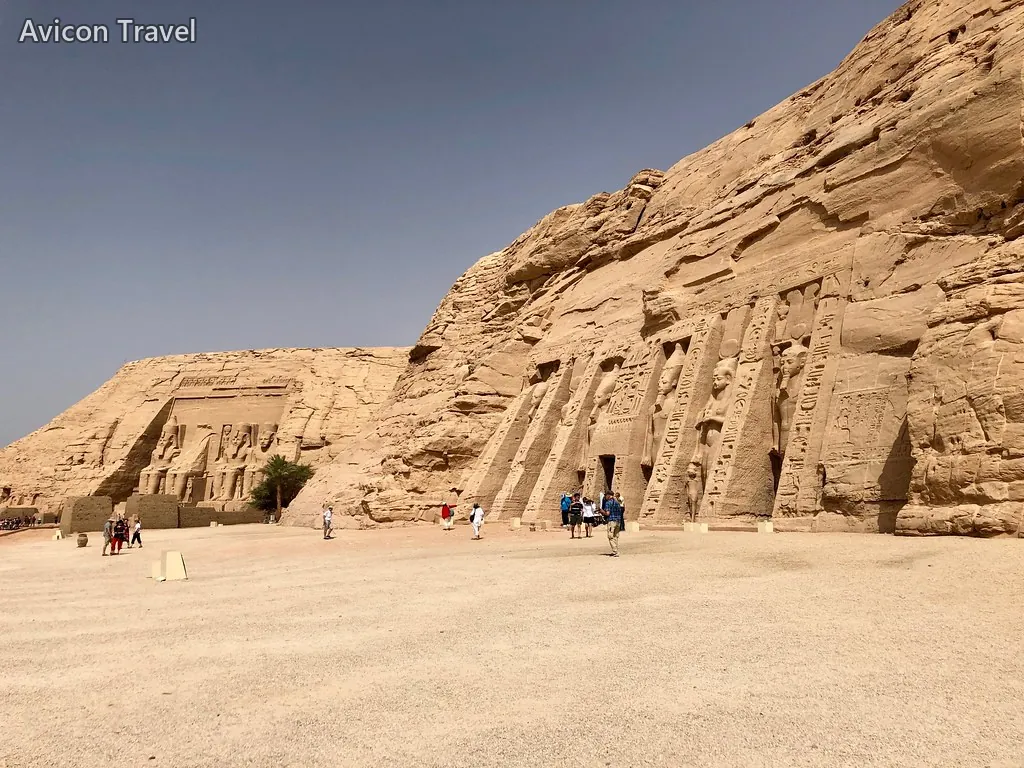
Ramses II had the two temples of Abu Simbel cut into a sandstone cliff above the Nile in the 13th century BC, near the southern edge of his empire. The Great Temple honors the gods Amun, Ra-Horakhty and Ptah — and Ramses himself — behind four seated statues of the king, each about 20 meters tall. The smaller temple is dedicated to the goddess Hathor and to Nefertari, his favorite queen, and it is one of the few temples in Egypt where a queen's statues stand as tall as the king's.
In the 1960s, the building of the Aswan High Dam threatened to drown both temples under Lake Nasser. In one of the greatest rescue projects in the history of archaeology, an international campaign led by UNESCO cut the temples into more than a thousand blocks and rebuilt them on higher ground between 1964 and 1968. Today they are part of the Nubian Monuments UNESCO World Heritage Site.
The Sun Festival
The Great Temple was aligned so that twice a year, around 22 February and 22 October, the first rays of the rising sun travel deep inside and light up the statues in the inner sanctuary. Only the statue of Ptah, a god often linked with the underworld, stays in shadow. Thousands of visitors come for these mornings, so if you want to see the Sun Festival, contact us early and we will plan a very early departure from Aswan.
Planning Your Day Trip From Aswan
- Timing: private tours usually leave Aswan at around 4:00 am, so you reach the temples before the midday heat and the biggest crowds. Because the tour is private, the departure time can be adjusted.
- The drive: about 280 km each way, or three to three and a half hours through the desert, on a well-maintained road with tourist police checkpoints.
- Group size: the tour is private, so the price per person falls as your group grows; the price table above shows every group size and season.
- Food: lunch is not included, but you can add a lunch box when booking. Bring snacks and water for the road.
- At the temples: guides explain the history outside, then you explore the interiors at your own pace. Allow about two hours on site.
- What to bring: a hat, sunscreen, sunglasses and comfortable shoes — the site is open and sunny, with a short walk from the entrance along the shore of Lake Nasser.
Combine Abu Simbel With Your Nile Trip
Abu Simbel is usually visited from Aswan, either as a day trip before or after a Nile cruise or as part of a longer holiday. Our 3-night cruise from Aswan and 4-night cruise from Luxor both offer it as an optional excursion from $90 per person - ticket, guide and vehicle included - and the 8-day Cairo, Abu Simbel, Luxor and Hurghada package builds it into a full holiday. For more time in the south, read our Aswan guide and our tips for visiting a Nubian village.
Tour Itinerary
A private tour, so the times below move to suit you. This is how the day usually runs.
Your Egyptologist meets you at your Aswan hotel or at your cruise ship. The early start is the whole point: it puts you at the temples before the heat and before the coaches arrive. Because the tour is private, we move the departure if 4:00 does not suit you.
Three to three and a half hours through the Western Desert on a well-maintained road with tourist police checkpoints along the way. Most people sleep the first hour. The sun comes up over open desert around the halfway point, and your guide uses the rest of the drive to set up what you are about to see.
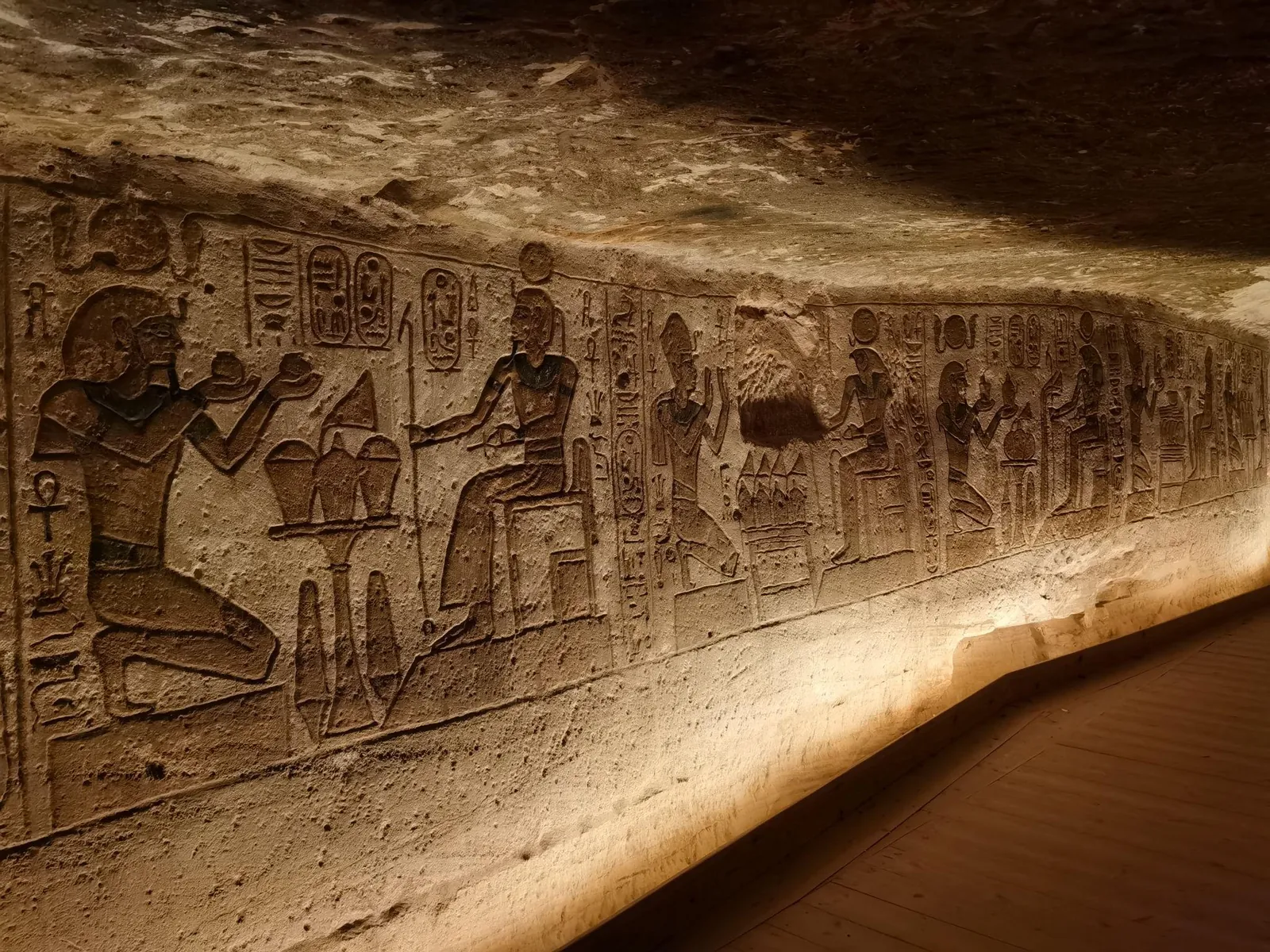
Four seated statues of Ramses II, each about 65 feet high, cut straight into the cliff. Your guide gives you the full history outside - guides are not permitted to lecture inside the monuments - and then you go in at your own pace, past the Osiris pillars of the great hall to the sanctuary carved into the rock at the back.
A short walk north stands the smaller temple Ramses built for his queen, its facade carved with statues of them both. Nefertari appears at the same height as the king, which is almost unheard of in Egyptian temple art, and the inside is covered with scenes of her before the gods.
Time to walk round the back, which most visitors skip. Neither temple stands where it was built: in the 1960s a UNESCO team cut both into blocks and rebuilt them about 60 metres higher, clear of the water rising behind the High Dam. From behind you can see the hollow dome they now sit inside, with Lake Nasser stretching south towards Sudan.
The return drive puts you back at your hotel or your ship in the early afternoon, with the rest of the day free. A lunch box can be added if you would rather eat on the road than wait until you are back.
Your Travel Pass
Everything you need to know about what's covered and what to plan separately, presented like your boarding pass.
Paid
★
Your
Own
Frequently Asked Questions
Quick answers about this tour. For anything else, message us on WhatsApp — we reply fast.
The journey from Aswan to Abu Simbel takes approximately 3 to 3.5 hours each way through the beautiful desert landscape. To ensure your complete comfort, you will travel in a modern, private, air-conditioned vehicle driven by a highly experienced, licensed professional.
We generally recommend an early morning start (often around 4:00 AM). This allows you to experience the temples before the peak midday heat and avoid the largest crowds. However, because this is a fully private tour, we can flexibly adjust the departure time to best suit your personal schedule and comfort.
These magnificent temples are celebrated as architectural miracles of the ancient world. Built by King Ramses II, they are famous not only for their colossal 65-foot statues but also for the incredible 1960s UNESCO engineering feat that relocated the entire complex piece by piece to save it from the rising waters of Lake Nasser.
Yes, absolutely. The route between Aswan and Abu Simbel is well-maintained and strictly secured with regular tourist police checkpoints. As your trusted official agency, we prioritize your security above all else and ensure a highly organized, hassle-free, and perfectly safe journey.
To preserve the historic integrity and quiet atmosphere inside the monuments, guides are generally required to provide their detailed historical explanations outside the temples. Your professional Egyptologist will give you a comprehensive overview of the history, artwork, and architecture before you enter, allowing you to explore the stunning interiors at your own pace.


