Tour Overview
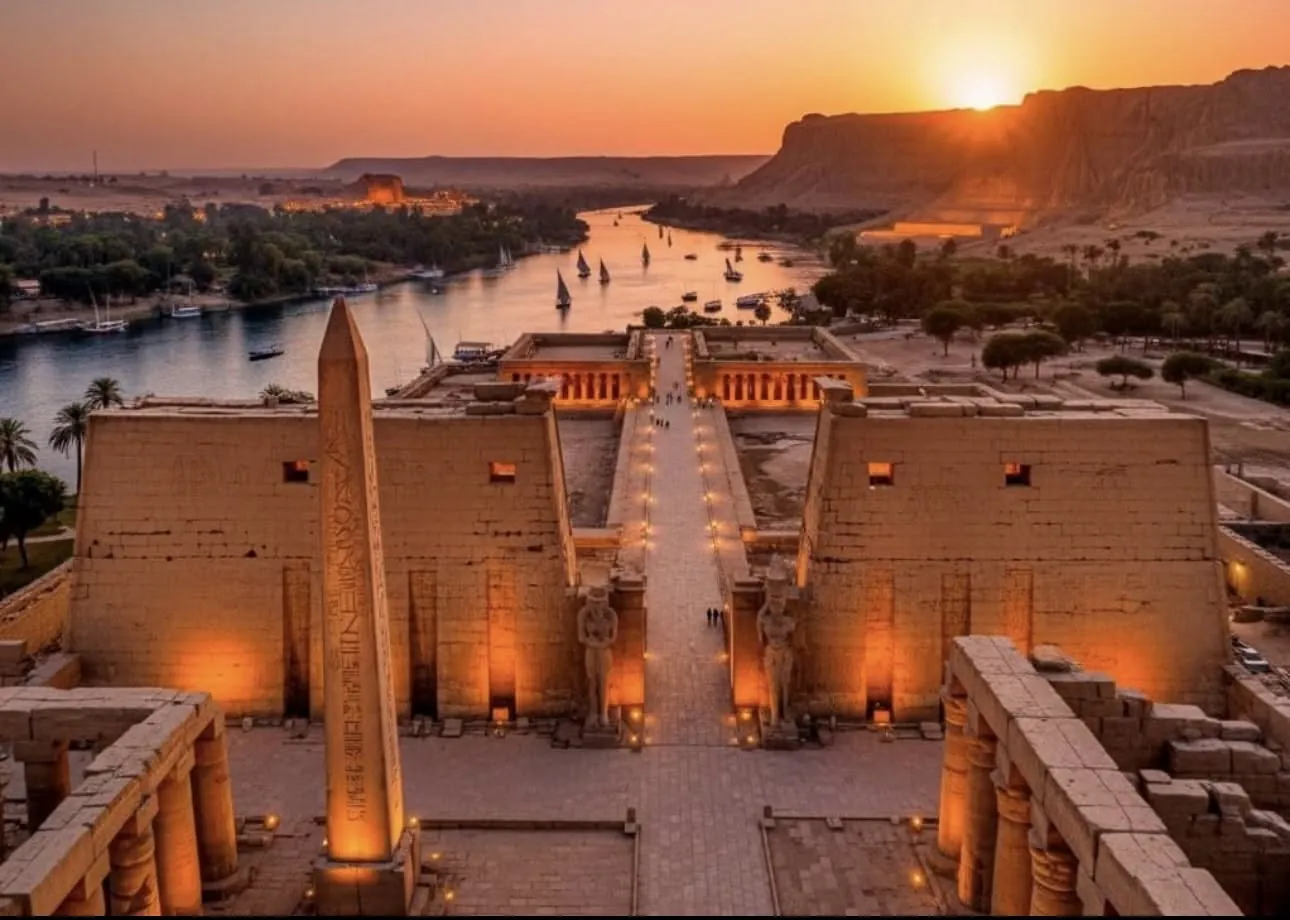
This private 2-day trip from Hurghada links Upper Egypt's two great temple cities by road and rail. You drive to Luxor for the Valley of the Kings, Hatshepsut Temple, the Colossi of Memnon and Karnak, then take the first-class train south to a 5-star hotel in Aswan. Day two covers the High Dam, the Unfinished Obelisk and Philae Temple before the train north to Qena and the drive back to the Red Sea.
Tour Highlights
- See Luxor and Aswan on one short trip, traveling by car to Luxor and by first-class train between the two cities.
- Visit the royal tombs of the Valley of the Kings and Hatshepsut's terraced temple on Luxor's West Bank on the morning of day one.
- Walk through Karnak's Great Hypostyle Hall after lunch by the Nile, then ride the evening train south along the river to Aswan.
- Stand beside the Unfinished Obelisk, a granite giant still lying in its quarry, which shows how the ancient Egyptians cut stone.
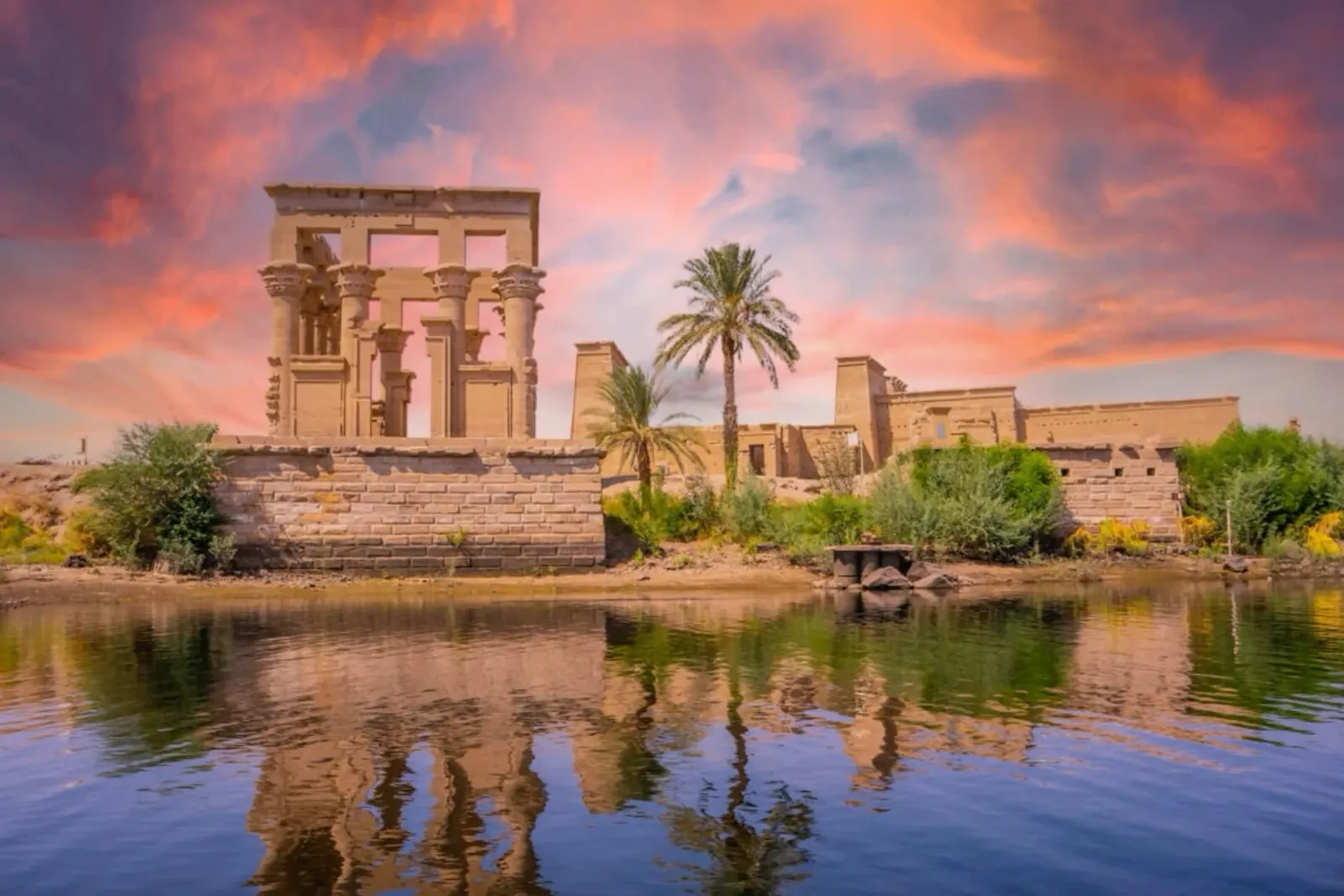
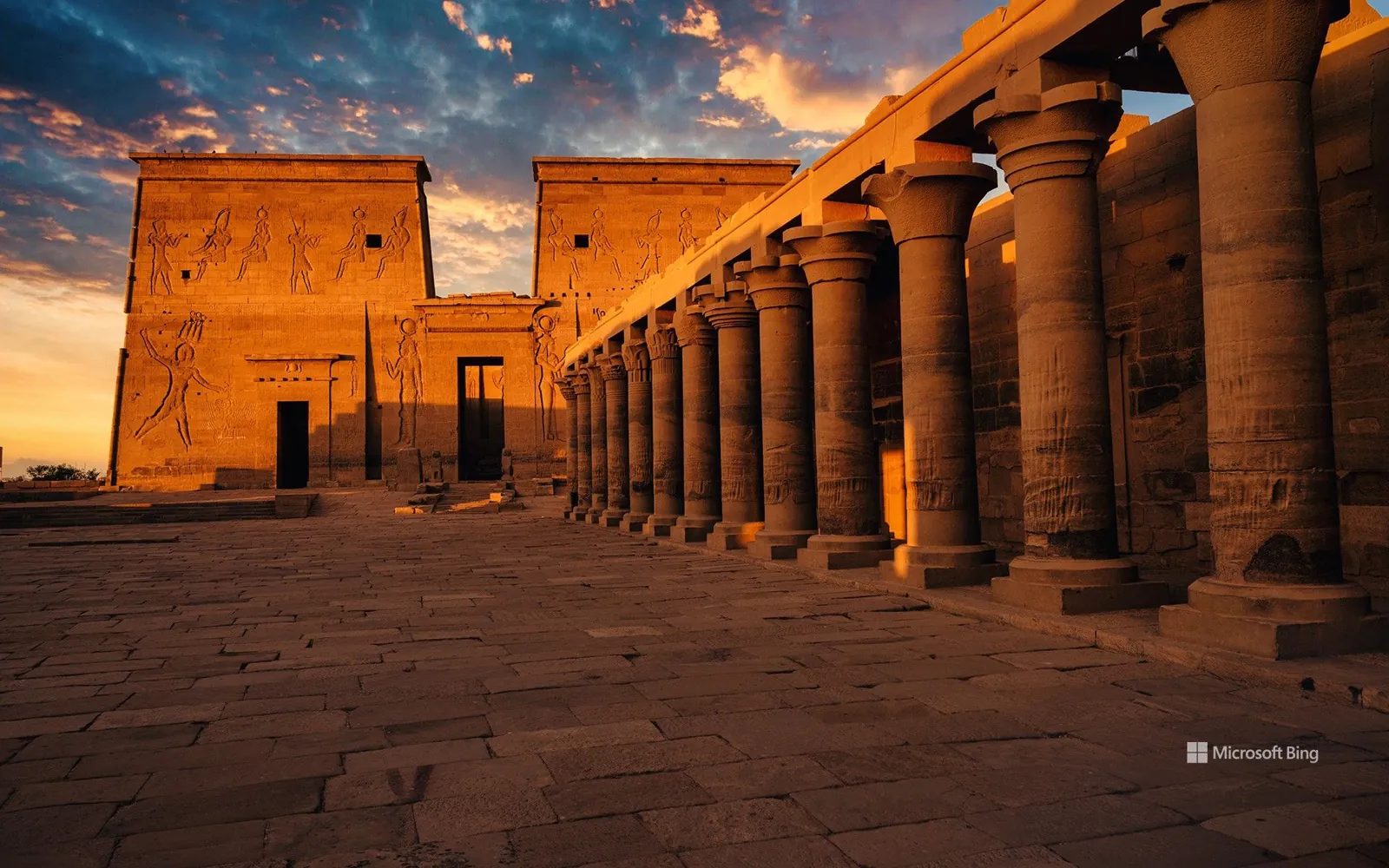
- Visit Philae, the island temple of Isis that was taken apart and rebuilt on Agilkia Island to save it from the rising water.
Tour Route
Can you see Luxor and Aswan in 2 days from Hurghada?
Yes, if you are ready for a full first day. You drive to Luxor, see the West Bank and Karnak, and take the train to Aswan that evening. Day two covers Aswan's main sights before the ride home. You see the highlights of both cities, not every temple.
Using the train between the two cities saves you a second long drive across the desert. The ride north ends at Qena rather than Luxor, because Qena sits where the road east to the Red Sea leaves the Nile Valley, so the last stretch by car is shorter.
What is Philae Temple and why was it moved?
Philae was the main temple of Isis, the mother goddess, built mostly by the Ptolemies and Roman emperors on an island south of Aswan. After the first Aswan dam it stood half underwater for much of each year, so in the 1970s it was taken apart and rebuilt on nearby Agilkia Island.
Why is the Aswan High Dam on a temple tour?
Because it explains much of what you see in southern Egypt today. The dam, finished around 1970, ended the annual flood that shaped farming for thousands of years and formed Lake Nasser. Its waters are the reason Philae and Abu Simbel had to be moved, in a large UNESCO rescue campaign.
How is this different from the Luxor day trip and the other 2-day trips from Hurghada?
Day one matches the Luxor day trip from Hurghada: the West Bank and Karnak. Instead of driving back, you take the train to Aswan and spend day two there. The 2-day Luxor trip stays in Luxor and adds Luxor Temple and the Karnak light show.
The Luxor and Abu Simbel trip runs the same first day but swaps Aswan's sights for the temples of Ramesses II at Abu Simbel. If you have extra nights in the south, our Aswan day tours add a felucca sail or a visit to a Nubian village.
Tour Itinerary
Day one is long, with the drive, four Luxor sites and an evening train; day two is a morning loop of Aswan, then the train and road home.
We pick you up from your hotel in Hurghada in a private air-conditioned car and drive west across the Eastern Desert to the Nile Valley. In Luxor your private Egyptologist guide joins you, and you cross to the West Bank, where the day's sightseeing begins.
Kings of the 18th to 20th dynasties were buried here in tombs cut deep into the hills below a pyramid-shaped peak. About 63 tombs are known, from Tutankhamun's to those of Seti I and the Ramesside kings, and your ticket opens a selection of them.
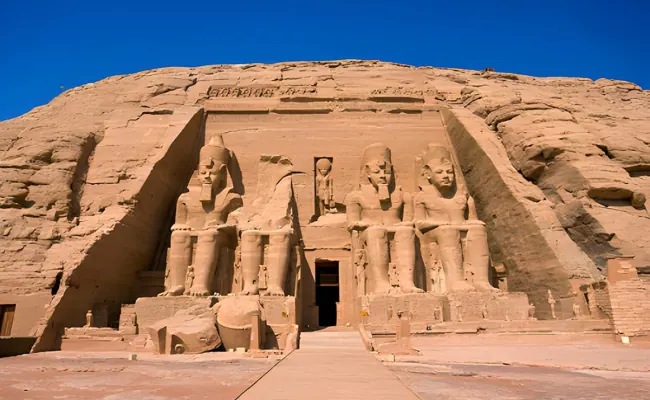
Hatshepsut's temple at Deir el-Bahari climbs in three terraces against the cliffs, built for one of the few women to rule Egypt as pharaoh. Nearby, the Colossi of Memnon are two seated statues of Amenhotep III, about 18 meters high, that greeted Greek and Roman visitors.
Lunch is served at a restaurant overlooking the Nile and is included. It is the main break of a long day, between the West Bank in the morning and Karnak in the afternoon, and a good moment to ask your guide questions.
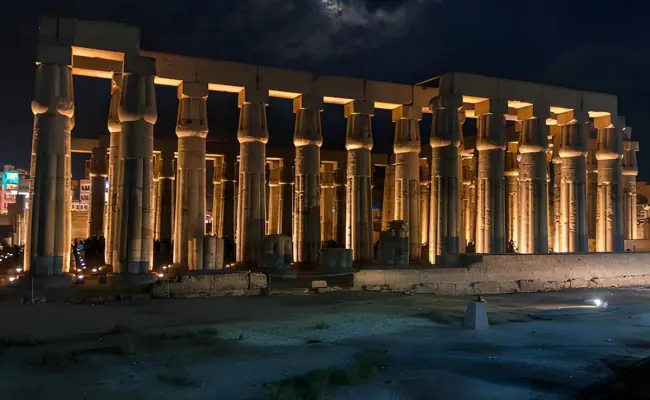
Kings added to Karnak for some two thousand years, honoring Amun and the other gods of Thebes. Your guide takes you through the pylons, the Great Hypostyle Hall with its 134 columns and the obelisks, and explains how the temple grew with each reign.
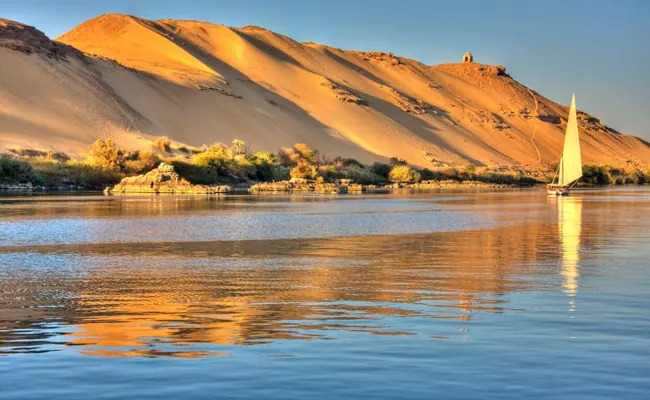
At the end of the day we drop you at Luxor station for the first-class train south. The line follows the Nile past farmland and villages. In Aswan you are met at the station and taken to your 5-star hotel to check in for the night.
After breakfast your guide collects you from the hotel. The first stop is the High Dam, built in the 1960s, which ended the yearly Nile flood, created Lake Nasser and still supplies a large share of Egypt's electricity. From the top you look over the lake on one side and the river on the other.
In the ancient granite quarries you see the Unfinished Obelisk, about 42 meters long, left where it cracked. Then you visit Philae, the temple of Isis built mostly under the Ptolemies and moved to Agilkia Island when the dams raised the river.
Lunch is at a local restaurant in Aswan and is included. Then you take the train north to Qena, a Nile town where the road to the Red Sea begins. Our representative meets you at the station and drives you back to your hotel in Hurghada.
What's Included
What the tour price covers, and what to plan for separately.
Paid
★
Your
Own
Frequently Asked Questions
Quick answers about this tour. For anything else, message us on WhatsApp — we reply fast.
It starts at your hotel in Hurghada, where we pick you up on the morning of day one for the drive to Luxor. It ends with a drop-off at the same hotel on day two, after the train from Aswan to Qena and the road back to the coast.
The price covers first-class train tickets from Luxor to Aswan and from Aswan to Qena, one night in a 5-star Aswan hotel with breakfast, two lunches, a private Egyptologist guide, air-conditioned transfers, entrance fees to all sites in the program, and taxes. Dinner, tips and personal extras are not included.
Yes. Your guide is private to you and your companions, with no other travelers joining. The per-person price falls as your group grows, because the guide, car and transfer costs are shared, and it changes by season, with higher hotel rates in winter and over Christmas and New Year.
Keep your passport and a small overnight bag with you, since you go straight from Karnak to Luxor station. First-class seats are reserved and air-conditioned. The line follows the Nile, so ask for a window seat, and bring water and a snack for the ride.
Yes. Avicon Travel is a Class "A" travel agency licensed by the Egyptian Ministry of Tourism under License No. 1962 and registered since 2010. Our office and team are in Karnak, Luxor, so the guides, drivers and cars on this tour are our own local team, not a booking desk abroad.