Tour Overview
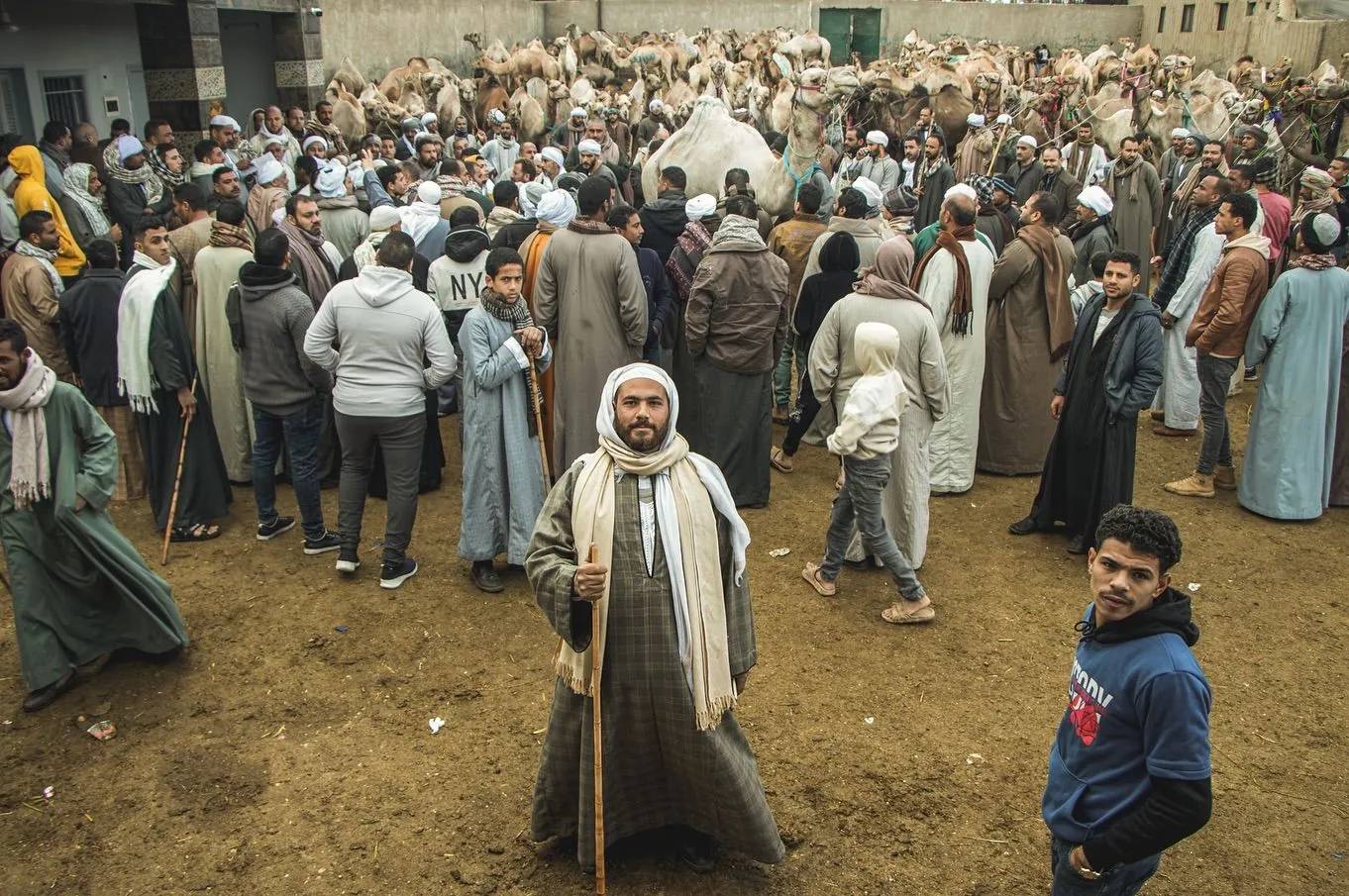
This private morning trip takes you from your hotel in Cairo or Giza to the Birqash Camel Market, the largest camel market in Egypt, on the desert edge northwest of the city. Trading happens on Fridays and Sundays from early morning, so pickup is at 6 AM. An English-speaking representative explains what you are watching, and the private car, water, entrance fee and camera ticket are all included.
Tour Highlights
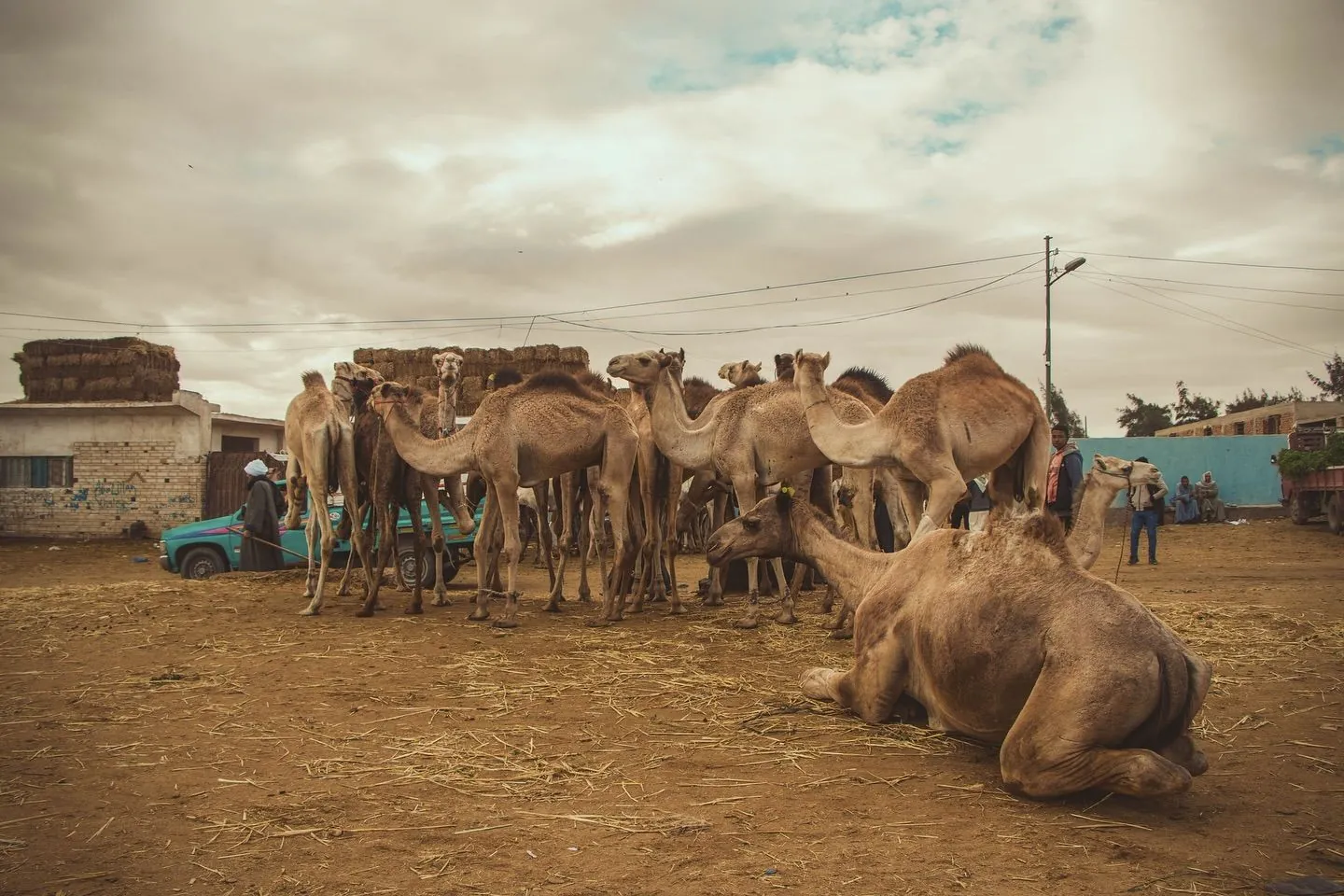
- Watch hundreds of camels being bought and sold at Egypt's largest camel market, a working livestock market, not a show put on for visitors.
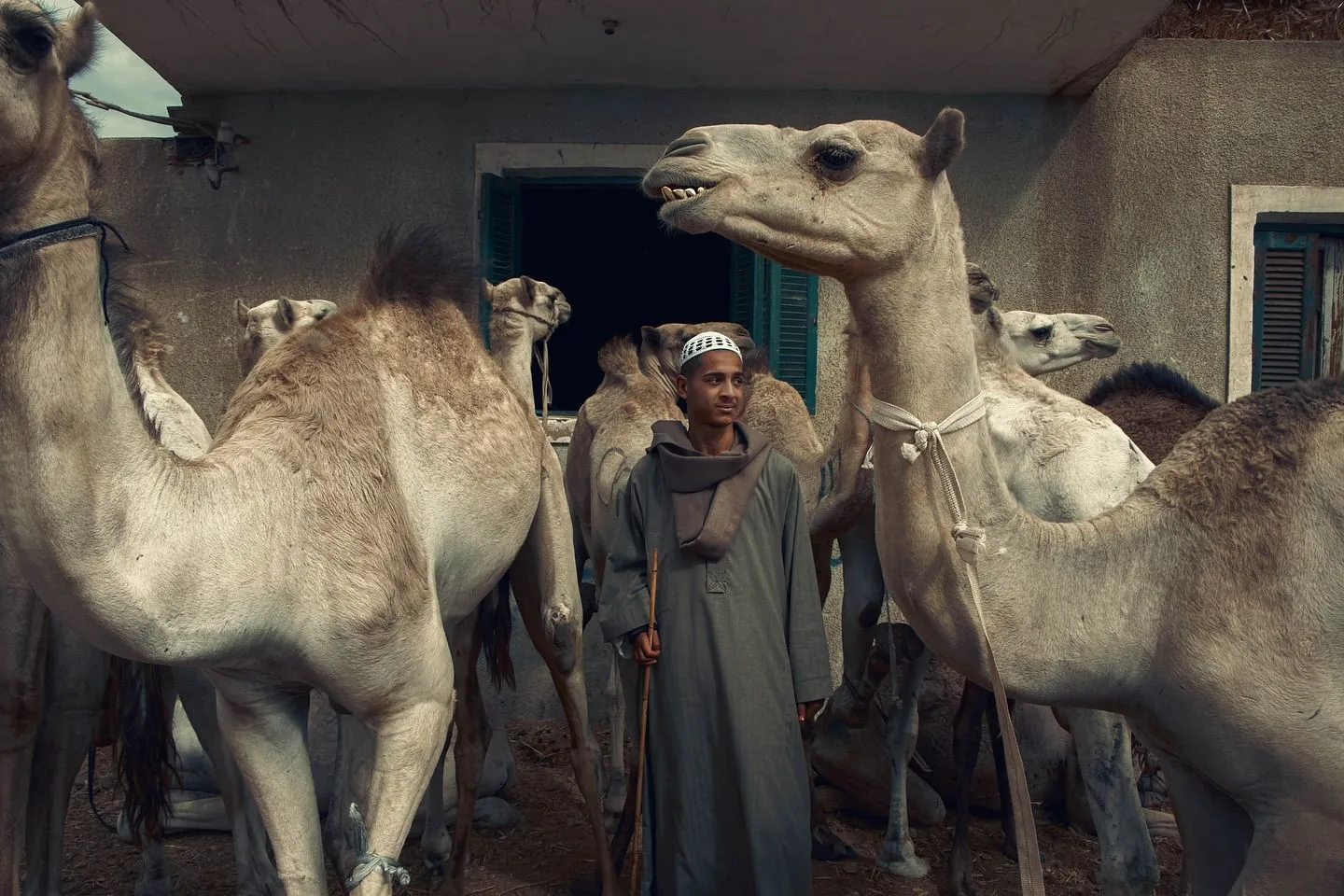
- See camels from Egypt, Sudan and beyond, many of them brought north from Sudan along routes once followed by the old desert caravans.
- Learn how traders judge a camel's age, health and value, and how a price is agreed, with your English-speaking representative explaining as you go.
- Arrive while trading is at its busiest, between about 7 and 10 in the morning, when the market is loud and crowded and the light is soft for photos.
- Be done early, with most of the day still free for the pyramids, a museum or simply a long, slow breakfast back at your hotel.
Tour Route
Is the Birqash Camel Market worth visiting?
Yes, if you want to see a working side of Egypt that most visitors miss. Birqash is a real livestock market, loud, crowded and full of energy, and it shows a trade that has linked Egypt and Sudan for centuries. It takes only the morning, so it fits easily into a Cairo stay.
It is not for everyone. Camels are handled firmly, sometimes roughly, by the herders who control them, and the ground is dusty and uneven. If you are sensitive to the way animals are treated, think about this before you book. If you go, you see Egypt as it works, not as it is presented to tourists.
Where do the camels at Birqash come from?
Many of the camels come from Sudan. In the past they walked north for weeks along the Darb al-Arba'in, the 'Forty Days Road', a caravan route through the Western Desert; today much of the journey is made by truck. Others are raised in Egypt or come from other parts of Africa.
On the way north, many camels pass through markets in southern Egypt, such as Daraw near Aswan, before they reach Birqash. Here they are sold on for farm work, breeding, tourism or meat. Your representative can point out the different types of camel and explain what each kind of buyer is looking for.
What should you know before visiting Birqash?
Trading for this tour takes place on Fridays and Sundays, and the busiest hours are early, which is why the trip starts at 6 AM. Wear closed shoes and clothes you do not mind getting dusty, and keep your distance from the animals: camels can kick and move suddenly.
- Stay alert: step aside quickly when a group of camels is being moved through the crowd, and follow your representative's lead.
- Photos: your camera ticket is included, but ask before photographing traders up close; most are friendly, some prefer not.
- Dress: modest, practical clothing works best in this very local, mostly male setting.
Is Birqash the same as a camel ride at the pyramids?
No. At Birqash you watch camels being traded; you do not ride them. The market is a working place for herders and buyers, and you are there as an observer. If you want to ride a camel, a camel ride at the Giza pyramids is the tour for that, with the pyramids as your backdrop.
What else can you do in Cairo after the camel market?
The camel market takes only the morning, so the rest of your day is free. You could see the Giza pyramids on a half-day tour, spend a few hours on the Egyptian Museum half-day tour, or, if you still want camels, book a camel ride at the Giza pyramids.
Tour Itinerary
A short, early morning: pickup at 6 AM, time at the market while trading is in full swing, and back to your hotel.
Your English-speaking representative and driver collect you from your hotel at 6 AM in a private air-conditioned car. The early start matters, because the market is at its busiest in the first hours of the morning. A bottle of mineral water is waiting for you in the car, and the city streets are still quiet.
The road leaves the city behind and heads out toward the desert edge, where the market is held. On the way, your representative explains how the camel trade works and what to expect, so you arrive knowing where to stand, how to stay out of the way of the animals, and what to look for.
From around 7 AM, traders, herders and buyers fill the market grounds. Camels arrive in groups, many brought from Sudan, others from elsewhere in Egypt and Africa. Your entrance fee and camera ticket are included, so you can take photos, while being polite about photographing people up close.
Your representative shows you how buyers check a camel's teeth to judge its age, how they look at its build and health, and how a price is reached by hard bargaining, often sealed with a handshake. You also learn why camels still matter in Egypt today, for farm work, breeding, tourism and meat.
Once you have seen the trading at its peak, the car takes you back to your hotel in Cairo or Giza. Transport, water, the entrance fee and camera ticket are covered by the price, so you only need cash for tips and anything extra you choose outside the program.
What's Included
What the tour price covers, and what to plan for separately.
Paid
★
Your
Own
Frequently Asked Questions
Quick answers about this tour. For anything else, message us on WhatsApp — we reply fast.
Pickup is at 6 AM from your hotel in Cairo or Giza. Your representative and driver meet you at the hotel with a private air-conditioned car and bring you back to the same hotel after the visit. Let us know where you are staying when you book, and we will confirm the pickup.
The price includes hotel pickup and return, a private air-conditioned vehicle, an English-speaking representative, a bottle of mineral water, the market entrance fee and camera ticket, and all taxes and service charges. There are no meals on this short trip, and tips and extras outside the program are not included.
It is a private tour: the car and the representative are only for you and the people you book with. Because the cost of the vehicle is shared within your group, the price per person goes down as the group gets bigger. Prices also change by season, from $55 per person.
This tour runs on Fridays and Sundays, the main market days, when trading is busiest between about 7 and 10 in the morning. Plan your Cairo days so that one of these two mornings is free, and book ahead so we can arrange the 6 AM pickup at your hotel.
Yes. Avicon Travel is a Class "A" travel agency licensed by the Egyptian Ministry of Tourism under License No. 1962 and registered since 2010. Our office and team are in Karnak, Luxor, so the guides, drivers and cars on this tour are our own local team, not a booking desk abroad.