Tour Overview
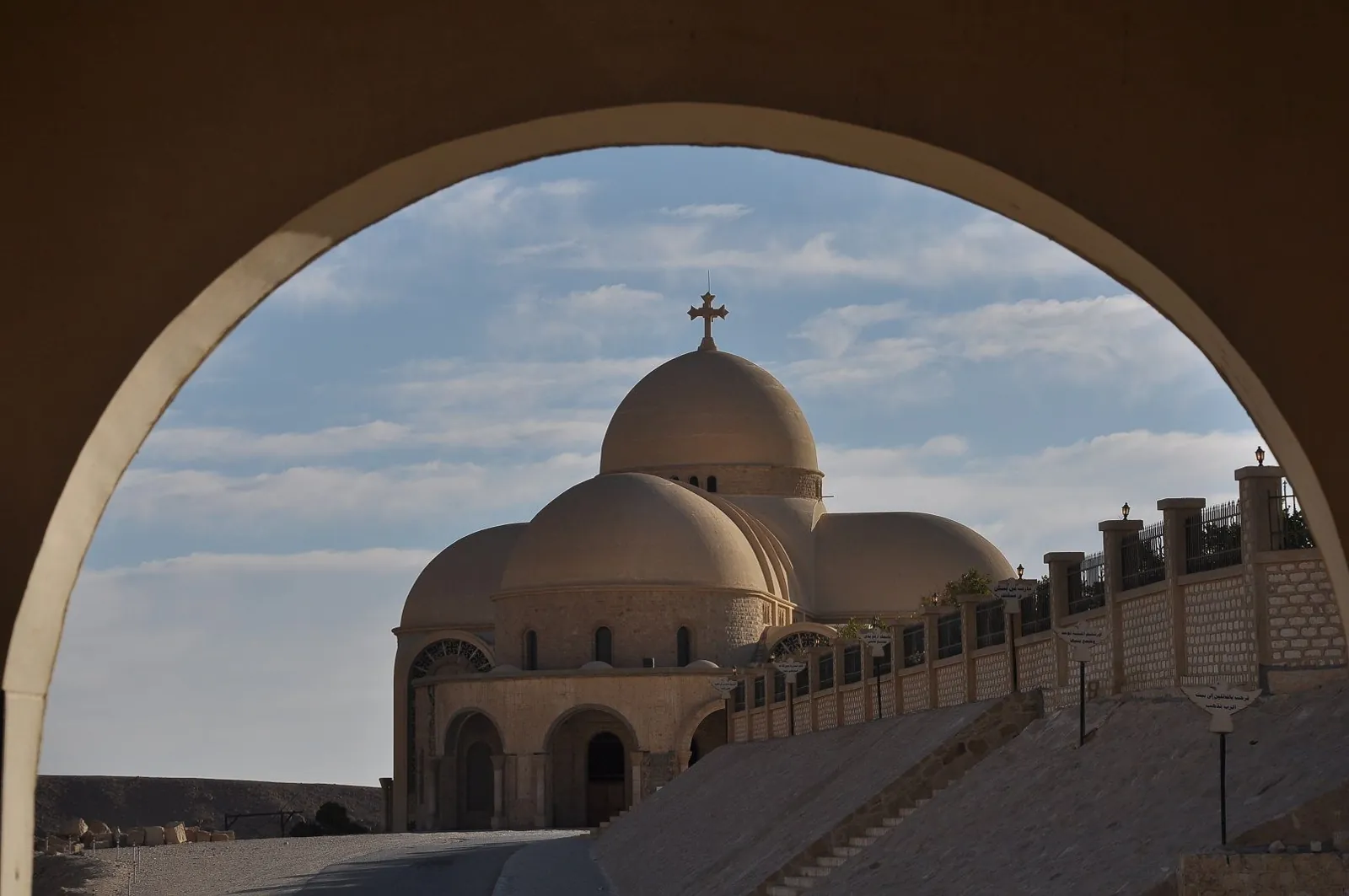
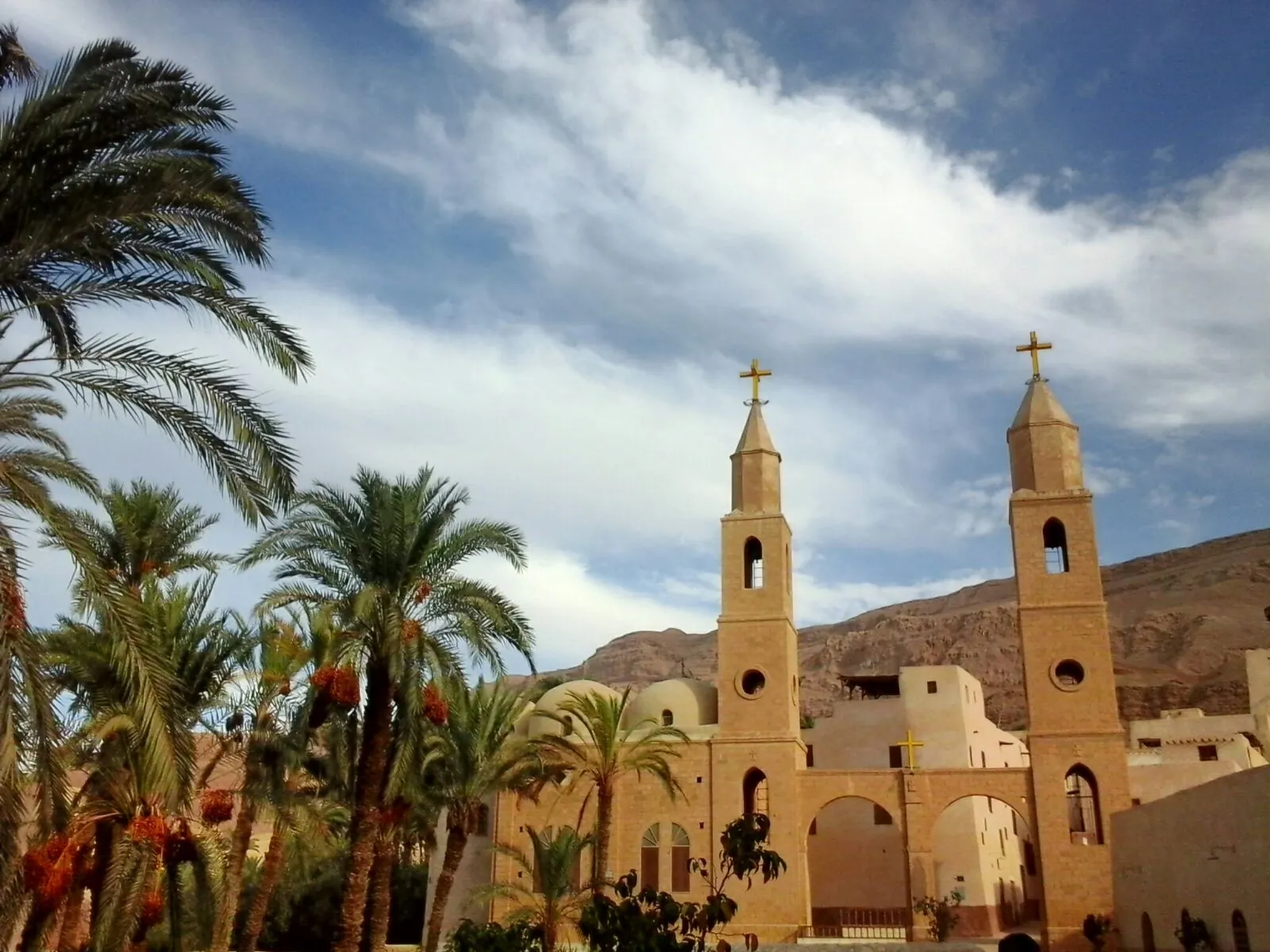
This private day trip takes you northwest of Cairo to Wadi El Natrun, the desert valley where Christian monastic life took shape in the 4th century. You visit the four monasteries that still stand here, Baramus, St. Bishoy, St. Macarius and El Suryan, all of them living communities of Coptic monks. An Egyptologist guide and a private air-conditioned car collect you from your hotel in Cairo or Giza, and lunch, entrance fees and bottled water are included.
Tour Highlights
- Walk through Deir al-Baramus, counted among the oldest monasteries in Egypt, with roots in the 4th-century community that gathered around St. Macarius the Great.
- Visit the Monastery of St. Bishoy, with its five churches and a tall defensive keep, built when desert raids were a real threat to the monks.
- See Deir El Suryan, the Monastery of the Syrians, dedicated to the Virgin Mary and named for the Syrian monks who once lived and worked there.
- Stop at the Monastery of St. Macarius, founded in memory of the hermit who first settled in this valley and is honored as the father of its monks.
- Learn why the ancient Egyptians came here long before the monks: the valley's salt lakes gave them natron, the drying salt used in mummification.
Tour Route
Is the Wadi El Natrun monasteries trip worth it?
Yes, if you are interested in Christian history or want to see a side of Egypt beyond the pharaohs. Wadi El Natrun is where the monastic way of life took shape, and its monasteries have been lived in for about sixteen centuries. It is also a calm day away from Cairo's traffic and crowds.
What is the history of Wadi El Natrun?
The valley was known to the ancient Egyptians for its natron, a natural salt they used to dry bodies during mummification and for cleaning and glassmaking. In the 4th century, Christian hermits came here to live in prayer far from the cities, and their small settlements grew into monasteries.
St. Macarius the Great is remembered as the first to settle in the valley, around 330 AD. Many others followed, and at one time there were dozens of monastic communities here. Raids from the desert destroyed most of them over the centuries, which is why the survivors have high walls and a keep. Four remain today, and all four are active.
What should you wear to visit the Wadi El Natrun monasteries?
As a general guide, dress as you would for any church: shoulders and knees covered, and nothing tight or see-through. Women may want to carry a light scarf. Comfortable flat shoes help, since you walk on sand, stone and old floors. Your guide will mention any specific rules on the day.
- Behavior: keep voices low in the churches and step aside for monks and worshippers.
- Photos: ask your guide before taking pictures, especially inside churches and of the monks.
- Sun: the courtyards have little shade, so bring a hat and sunscreen.
How is this different from a Coptic Cairo tour?
Coptic Cairo shows you the old churches of the city, such as the Hanging Church, built in and around the walls of a Roman fortress. Wadi El Natrun shows you where Egyptian monastic life began, in working monasteries in the desert. The first stays in the city; this trip takes a full day outside it.
What else can you see from Cairo?
If the monasteries leave you curious about Egypt's Christian story, the Coptic Cairo day tour covers the old churches of the city. The day trip to Alexandria uses the same desert road and adds Greek and Roman history by the sea, and you can browse all our Cairo day tours to plan the rest of your stay.
Tour Itinerary
A full day in the desert northwest of Cairo: around two hours on the road to get there, four monasteries, and lunch before the drive home.
Your Egyptologist guide and driver meet you at your hotel in a private air-conditioned car. The drive northwest to Wadi El Natrun takes around two hours, on the desert road toward Alexandria. On the way, your guide explains who the Desert Fathers were and how monastic life spread from Egypt to the rest of the Christian world.
Baramus is usually counted as the oldest of the four monasteries, tied to the first monks who followed St. Macarius into the valley in the 4th century. Inside its walls are old churches, a keep, and the cells and gardens of a working community. Your guide shows you the main church and explains how a desert monastery is laid out.
St. Bishoy was a 4th-century monk of this valley, and tradition holds that Christ appeared to him. His monastery has five churches and a high keep where monks once sheltered from raiders. Pope Shenouda III, head of the Coptic Church until 2012, is buried here, and many Egyptian Christians come to pray at his tomb.
St. Macarius the Great was the first to settle in this valley, and his monastery was founded as a memorial to him. It is one of the oldest in the area and still one of the most important in the Coptic Church. As in all four monasteries, you visit as a guest of the monks, so keep voices low and follow your guide's lead.
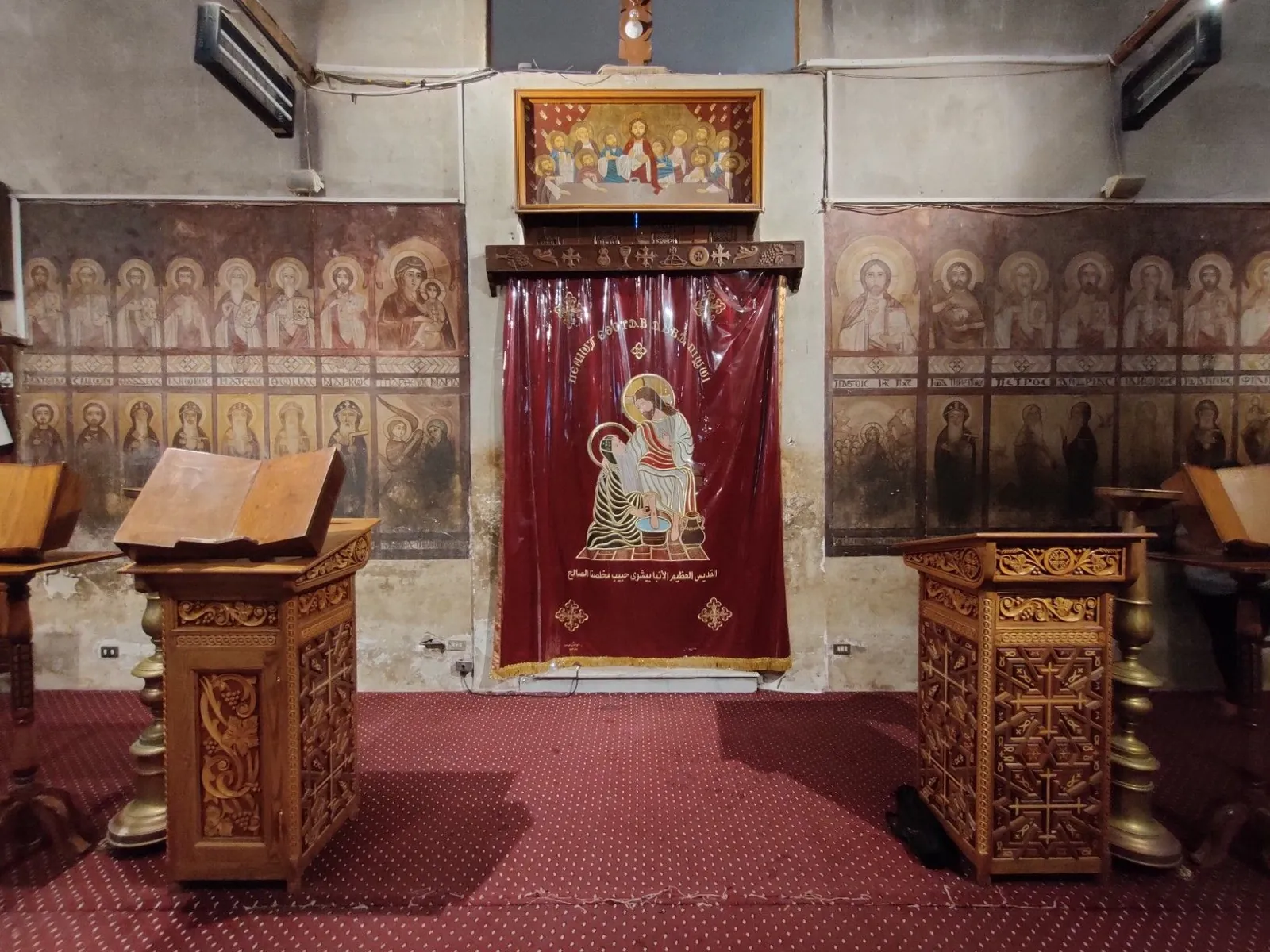
Deir El Suryan is dedicated to the Virgin Mary. Its name means 'of the Syrians', after Syrian monks who lived here for a time and brought books and learning with them. It is known for the medieval wall paintings in its main church, some of them uncovered by restorers in recent decades.
Lunch is included and comes before the drive back. It is a chance to sit down after a day of walking between courtyards and churches, and to ask your guide about anything the monasteries raised for you, from the Coptic calendar to the daily routine of the monks.
Your driver takes you back to your hotel in Cairo or Giza. The guide, car, lunch, bottled water and entrance fees are covered by the price, so you only need cash for tips, any donation you choose to leave at the monasteries, and personal purchases.
What's Included
What the tour price covers, and what to plan for separately.
Paid
★
Your
Own
Frequently Asked Questions
Quick answers about this tour. For anything else, message us on WhatsApp — we reply fast.
The tour starts at your hotel in downtown Cairo or the Giza area, where your guide and driver pick you up in a private air-conditioned car and bring you back at the end of the day. Pickup from other areas is possible for an extra charge, so tell us where you are staying when you book.
The price includes hotel pickup and return, an Egyptologist guide, a private air-conditioned vehicle, entrance fees for the sites in the program, lunch, bottled water in the car, and all service charges and taxes. Tips, optional tours and personal expenses are not included.
It is a private tour: the car and the guide are only for you and the people you book with. Because the cost of the vehicle and guide is shared within your group, the price per person goes down as the group gets bigger. Prices also change by season, from $85 per person.
Yes. Visitors of every faith are welcome at the monasteries of Wadi El Natrun, as long as they dress modestly and behave respectfully. You are a guest in a place of prayer, so follow your guide's lead in the churches. You do not need any religious background; your guide explains the history and traditions as you go.
Yes. Avicon Travel is a Class "A" travel agency licensed by the Egyptian Ministry of Tourism under License No. 1962 and registered since 2010. Our office and team are in Karnak, Luxor, so the guides, drivers and cars on this tour are our own local team, not a booking desk abroad.