Tour Overview
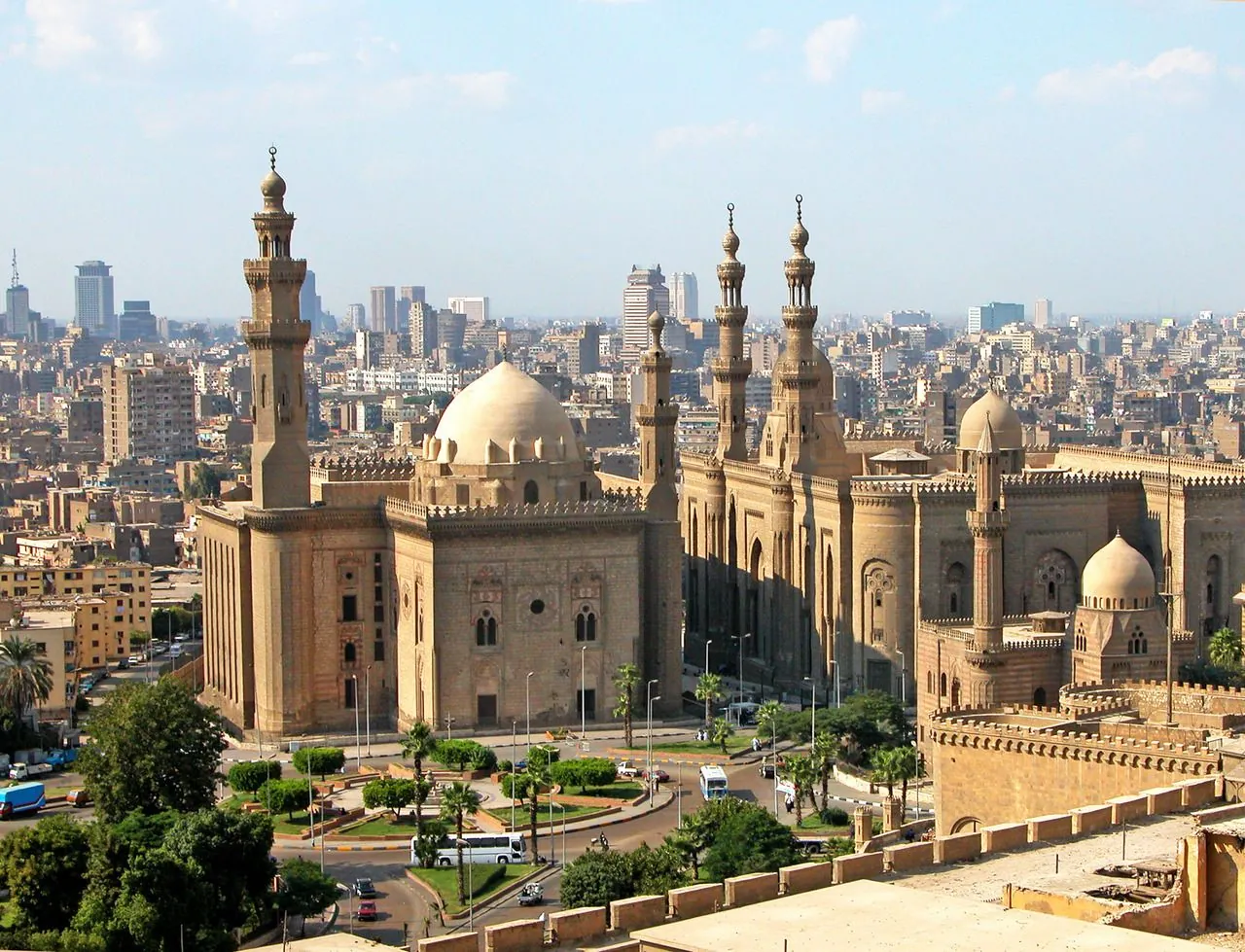
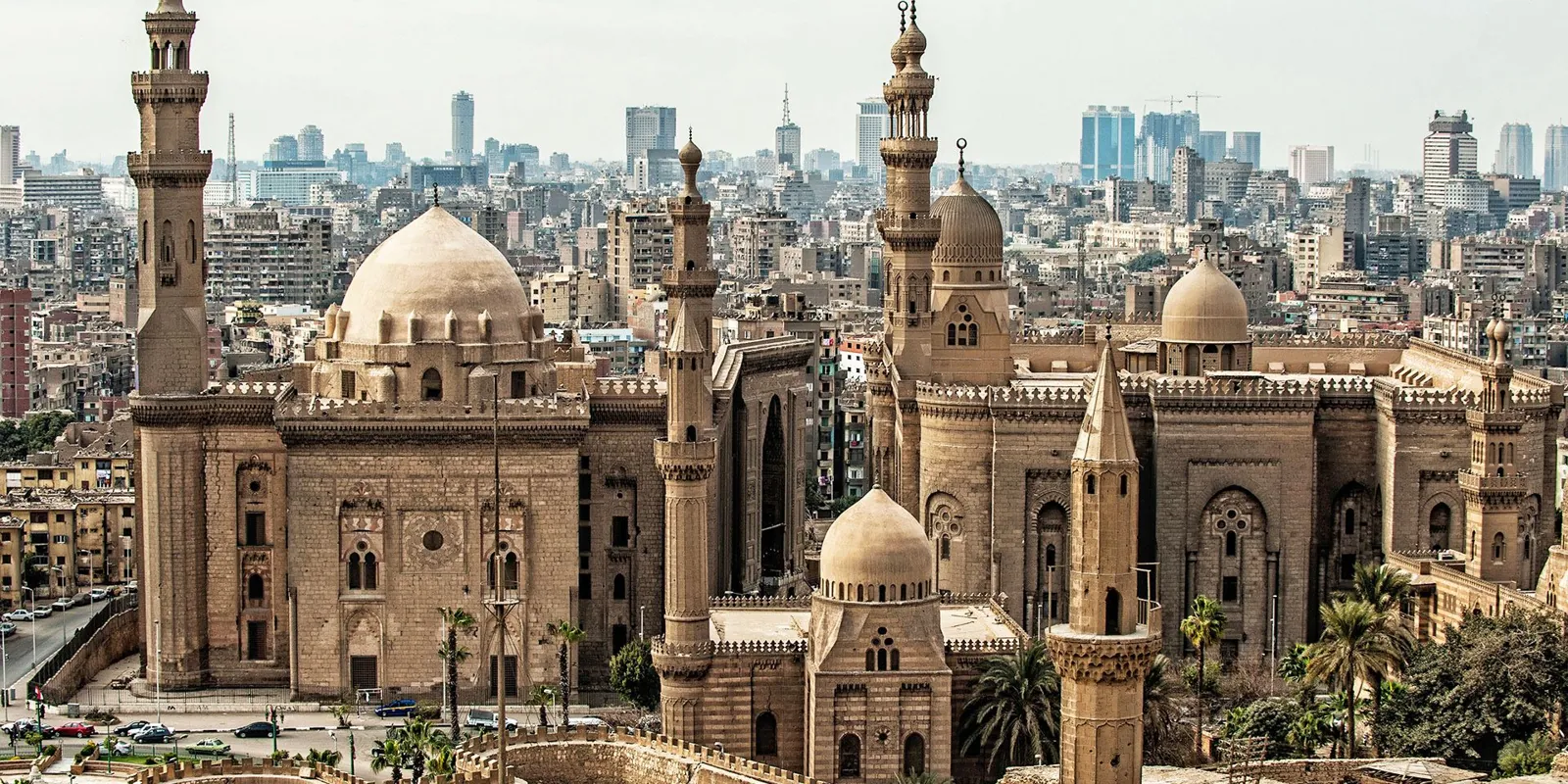
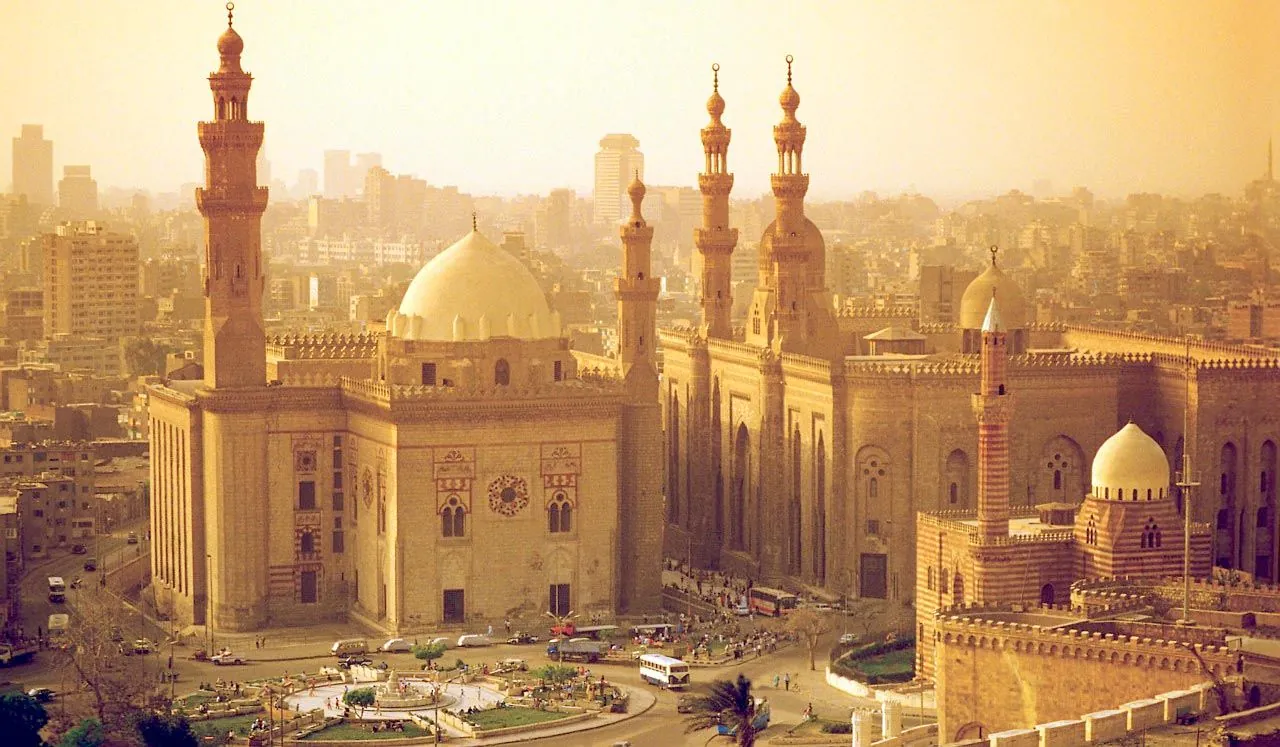
This private Islamic Cairo day tour is a full day in the medieval city, with no museums and no pyramids. You visit the Saladin Citadel and the Mohamed Ali Mosque, the Mamluk mosque and madrasa of Sultan Hassan, the Al Rifa'i Mosque beside it, the ninth-century Ibn Tulun Mosque, and finally Al Muizz Street and Khan El Khalili. An Egyptologist guide and a private air-conditioned car collect you from your hotel, and lunch and entrance fees are included.
Tour Highlights
- Walk the walls of the Saladin Citadel, built in the twelfth century against the Crusaders and the seat of Ayyubid, Mamluk and Ottoman rulers.
- Stand under the domes of the Mohamed Ali Mosque, the alabaster landmark on the Citadel's highest point, modeled on the Sultan Ahmed Mosque in Istanbul.
- Compare two neighbors: Sultan Hassan, a fourteenth-century Mamluk masterpiece of giant stone, and Al Rifa'i, finished in 1911 and the burial place of Egypt's royal family.
- Visit Ibn Tulun, the oldest mosque in Cairo to survive close to its original form, with its huge courtyard and unusual spiral minaret.
- End among the mosques, madrasas and old houses of Al Muizz Street, then wander into Khan El Khalili, the bazaar that has traded since Mamluk times.
Tour Route
What is Islamic Cairo?
Islamic Cairo is the historic heart of the city, built between the Arab conquest and the Ottoman era. UNESCO lists it as World Heritage under the name Historic Cairo, and each dynasty left its mark, from the Tulunids and Fatimids to the Mamluks and the family of Mohamed Ali.
Which mosques do you visit on the Islamic Cairo tour?
You visit four mosques from four different periods, so you can see how Cairo's architecture changed over almost a thousand years, from the Abbasid age to the khedives. Your guide explains what each building was used for and how to read its style:
- Ibn Tulun (876-879): the oldest surviving in near-original form, in the Abbasid style.
- Sultan Hassan (1356-1363): a Mamluk mosque and madrasa of enormous scale.
- Mohamed Ali (1830-1848): the Ottoman-style Alabaster Mosque at the Citadel.
- Al Rifa'i (1869-1911): a royal mausoleum mosque from the time of the khedives.
What should you wear to visit mosques in Cairo?
Dress modestly, with long trousers or skirts and tops that cover the shoulders, and bring a scarf so women can cover their hair where asked. You take your shoes off in prayer areas, and visits pause during prayer times, so your guide plans the order around them.
How is this tour different from the other Cairo city tours?
This is our only Cairo tour that spends the whole day on Islamic monuments, including Sultan Hassan, Al Rifa'i and Ibn Tulun, which the other city tours leave out. It does not include any museum or the pyramids, so the pace stays steady.
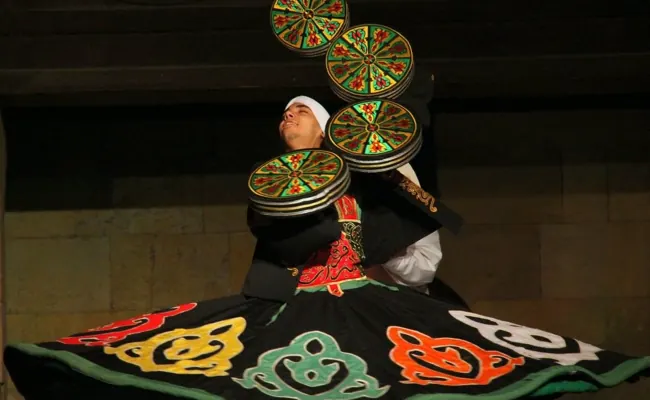
To add museums, the Egyptian Museum, Citadel and NMEC tour pairs the Citadel and Khan El Khalili with two museums. For the churches of the old Christian quarter, book the Coptic Cairo day tour. To return after dark, the Tanoura show at Wekalet El Ghouri is staged in a Mamluk caravanserai near Al Muizz.
Tour Itinerary
Eight sites across a thousand years of Islamic Cairo, in the order a local guide would walk them, with lunch midway.
Your Egyptologist guide meets you at your hotel, and a deluxe private air-conditioned car with bottled water takes you toward the Muqattam hills. Bring a scarf or light layer: shoulders and knees should be covered in the mosques, and women may be asked to cover their hair.
The Citadel was raised in the twelfth century to guard Cairo and Fustat, and it served Ayyubid, Mamluk and Ottoman rulers. At its highest point stands the Mohamed Ali Mosque, begun in 1830 and finished after his death in 1848, with alabaster walls and a wide view over the city.
Lunch at a local restaurant is included. It is a well-timed break, as the afternoon is spent going in and out of mosques and walking the old streets, and a chance to talk with your guide about the dynasties you met at the Citadel.
Built between 1356 and 1363, the mosque and madrasa of Sultan Hassan is one of the largest and boldest buildings of Mamluk Cairo. Its massive stone walls, towering entrance and four great halls around a central courtyard once housed teachers and students of the four schools of Islamic law.
Across the square stands Al Rifa'i, commissioned by Khoshiar Hanim, mother of Khedive Ismail, begun in 1869 and completed in 1911 after a long pause. It holds the tombs of members of Mohamed Ali's family, including Khedive Ismail and King Farouk, as well as the last Shah of Iran.
Ahmed Ibn Tulun, the Abbasid governor of Fustat, built this mosque between 876 and 879. Its vast open courtyard, rows of pointed arches and outside spiral minaret follow the architecture of Abbasid Iraq, and it feels very different from the Mamluk mosques you saw earlier.
You finish in the old Fatimid city. Al Muizz Street, dating from the tenth century, is lined with mosques, madrasas, fountains and merchants' houses. It leads to Khan El Khalili, a fourteenth-century market of narrow lanes, workshops and cafes, including El Fishawy, one of the oldest in Cairo.
From the bazaar, your driver takes you back to your hotel in Cairo or Giza. Your guide, car, lunch, entrance fees, water, taxes and charges are already paid, so anything you spend in Khan El Khalili is up to you.
What's Included
What the tour price covers, and what to plan for separately.
Paid
★
Your
Own
Frequently Asked Questions
Quick answers about this tour. For anything else, message us on WhatsApp — we reply fast.
Your guide and driver collect you from your hotel in Downtown Cairo or Giza in the morning and bring you back after Khan El Khalili. Hotels in other areas of Greater Cairo can be served for an extra charge. Send us your hotel name when you book so we can confirm the pickup.
Your Egyptologist guide, a deluxe private air-conditioned car, entrance fees to all the sites in the program, lunch, bottled water in the car, and all charges and taxes. Tips, optional tours, personal purchases and anything you buy in the bazaar are not included.
Yes, the guide and car are for your group only. Since their cost is the same for two people or eight, the per-person price falls as your group grows, and it also shifts between the summer season and the busier winter and holiday months. Prices start from $65 per person.
Friday is the main day of congregational prayer, and mosques close to visitors during the midday prayer. The tour can still run, but your guide may change the order of the stops to work around it. If you can choose, another day gives you a smoother visit.
Yes. Avicon Travel is a Class "A" travel agency licensed by the Egyptian Ministry of Tourism under License No. 1962 and registered since 2010. Our office and team are in Karnak, Luxor, so the guides, drivers and cars on this tour are our own local team, not a booking desk abroad.