Tour Overview
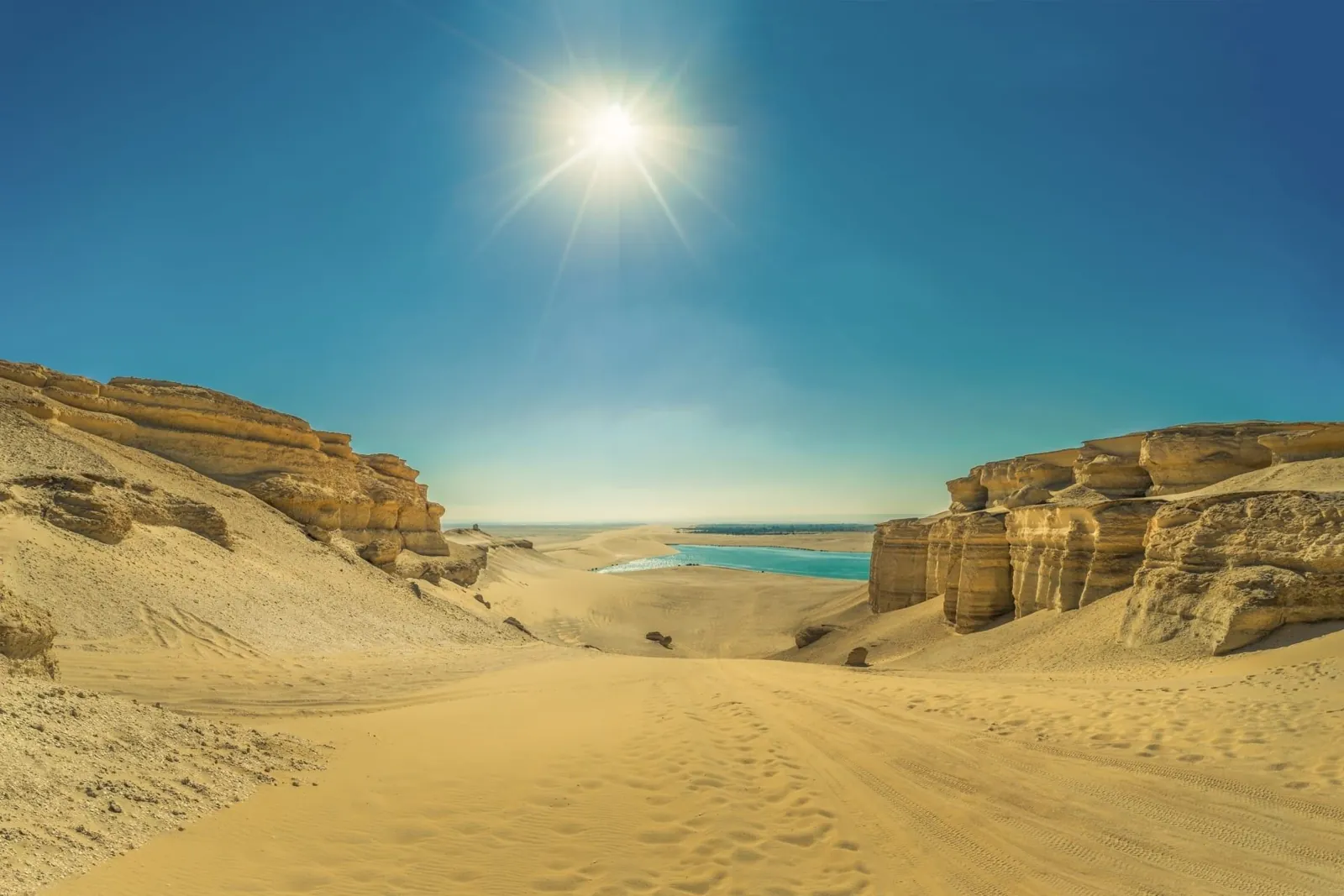
This day safari takes you from Cairo into the Fayoum desert to Wadi El Hitan, the Valley of the Whales, a UNESCO World Heritage Site where the fossils of ancient whales lie in the open sand. After the fossils, the day turns active: 4x4 dune bashing, sandboarding and a camel ride, then a barbecue lunch at a Bedouin camp. Pickup and drop-off in Cairo or Giza, an English-speaking guide, entrance fees and lunch are included.
Tour Highlights
- Walk the open-air trail at Wadi El Hitan past fossil skeletons of whales that swam here about 40 million years ago, when this desert was a sea.
- See the remains of early whales such as Basilosaurus, which still had small hind legs, and learn what they reveal about how whales evolved from land animals.
- Ride up and down the dunes in a 4x4 for around an hour and a half, with a driver who knows the sand and how to read it.
- Fasten a sandboard to your feet and slide down a dune, then slow the pace right down with a camel ride across the open desert.
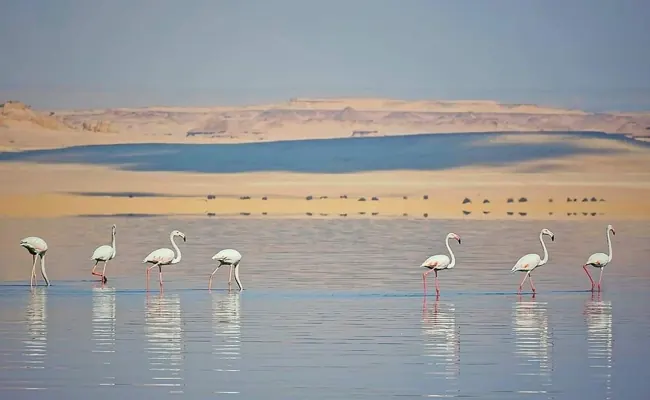
- Finish with a barbecue lunch at a Bedouin camp, and watch for desert wildlife such as the Egyptian mongoose and the African wildcat along the way.
Tour Route
Is the Wadi El Hitan desert safari worth it?
Yes, if you want one day that mixes natural history and adventure. Wadi El Hitan is one of the most important fossil sites in the world, and seeing whale skeletons in the middle of the Sahara stays with you. The 4x4 driving, sandboarding and camel ride make it a strong pick for families and active travelers.
What are the whale fossils at Wadi El Hitan?
They are the bones of early whales that lived about 40 million years ago, when a shallow sea called the Tethys covered northern Egypt. The best known are Basilosaurus and Dorudon. Basilosaurus grew up to about 18 meters long and still had tiny hind legs, a clue that whales came from four-legged land mammals.
Because the fossils lie in the open, in the rock where the animals died, you see them in their setting rather than behind glass. The site also has fossils of sharks, sea cows, turtles and mangrove roots, which together show what this coast once looked like. A museum at the site tells the story of the fossils and the climate changes behind them.
What should you bring on a desert safari from Cairo?
Bring a hat, sunglasses, sunscreen and comfortable closed shoes that can take sand. Wear light, loose clothes, and add a warm layer in winter, when desert mornings and evenings turn cold. Sand gets into everything, so a cover or bag for your phone and camera is a good idea.
- Water: bottled water is not listed in the inclusions, so carry enough for the day.
- Health: dune bashing is bumpy; if you have back or neck problems or are pregnant, tell us in advance and we will plan around it.
- Cash: keep small notes for tips and anything you buy at the camp.
Wadi El Hitan safari or Fayoum Oasis trip: what is the difference?
Both go to the Fayoum region, but they are different days. This safari is about whale fossils and desert action, with 4x4 jeeps, an English-speaking guide and lunch at a Bedouin camp. The Fayoum Oasis day trip is calmer: Lake Qarun and the Wadi El Rayan waterfalls by private car, with an Egyptologist guide.
If one day in the desert is not enough, the Bahariya and White Desert overnight safari takes you much farther out, with a night in the desert itself. You can compare every option side by side on our Cairo day tours page.
Tour Itinerary
A full and active day: fossils first, then dunes, sandboarding and a camel ride, and a barbecue lunch before the drive home.
Your guide meets you at your hotel or chosen address in Cairo or Giza, and an air-conditioned vehicle takes you southwest toward Fayoum and the desert beyond it. The desert parts of the day are done by 4x4 jeep. On the way, your guide gives you a first idea of what the valley holds and why scientists value it.
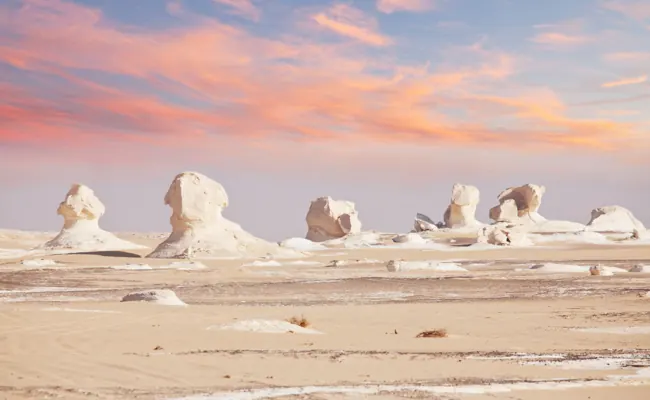
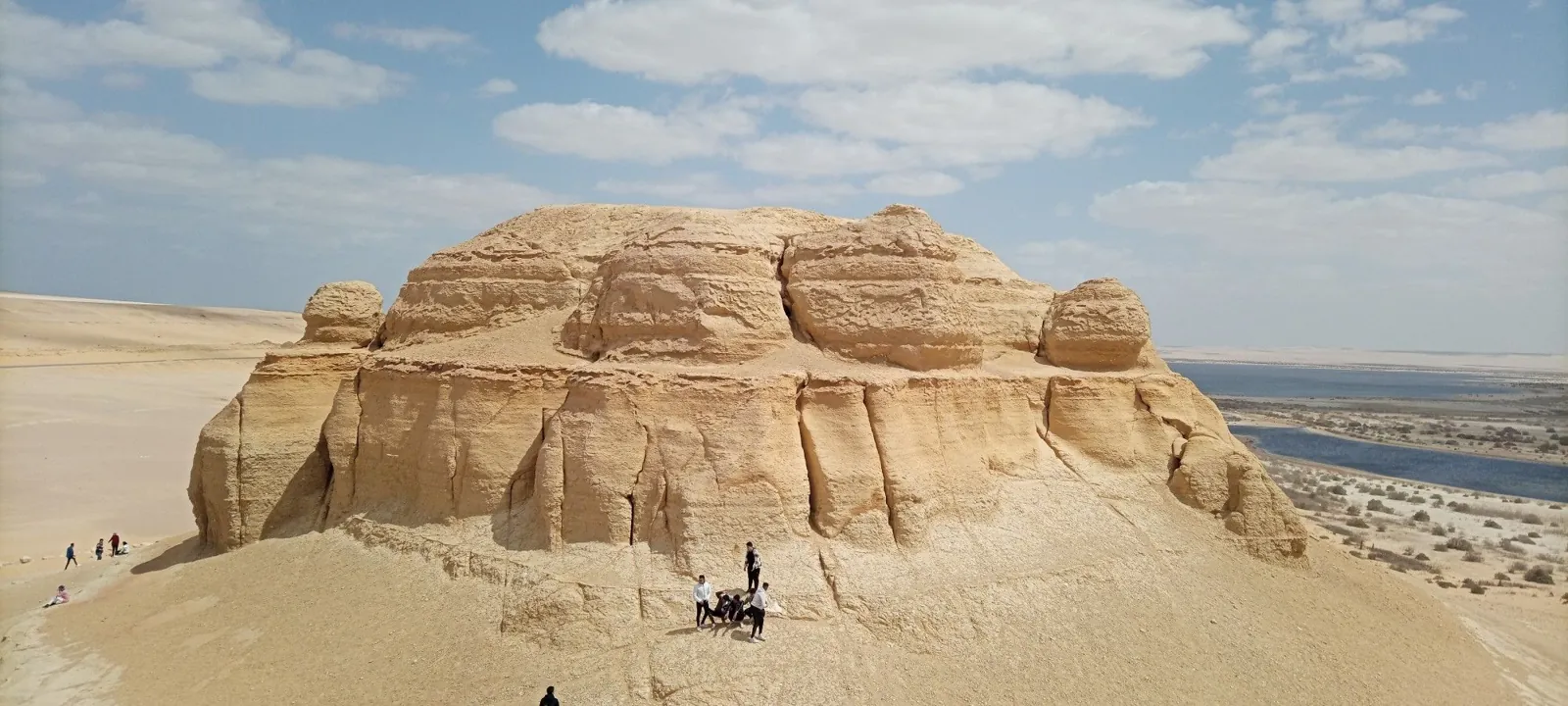
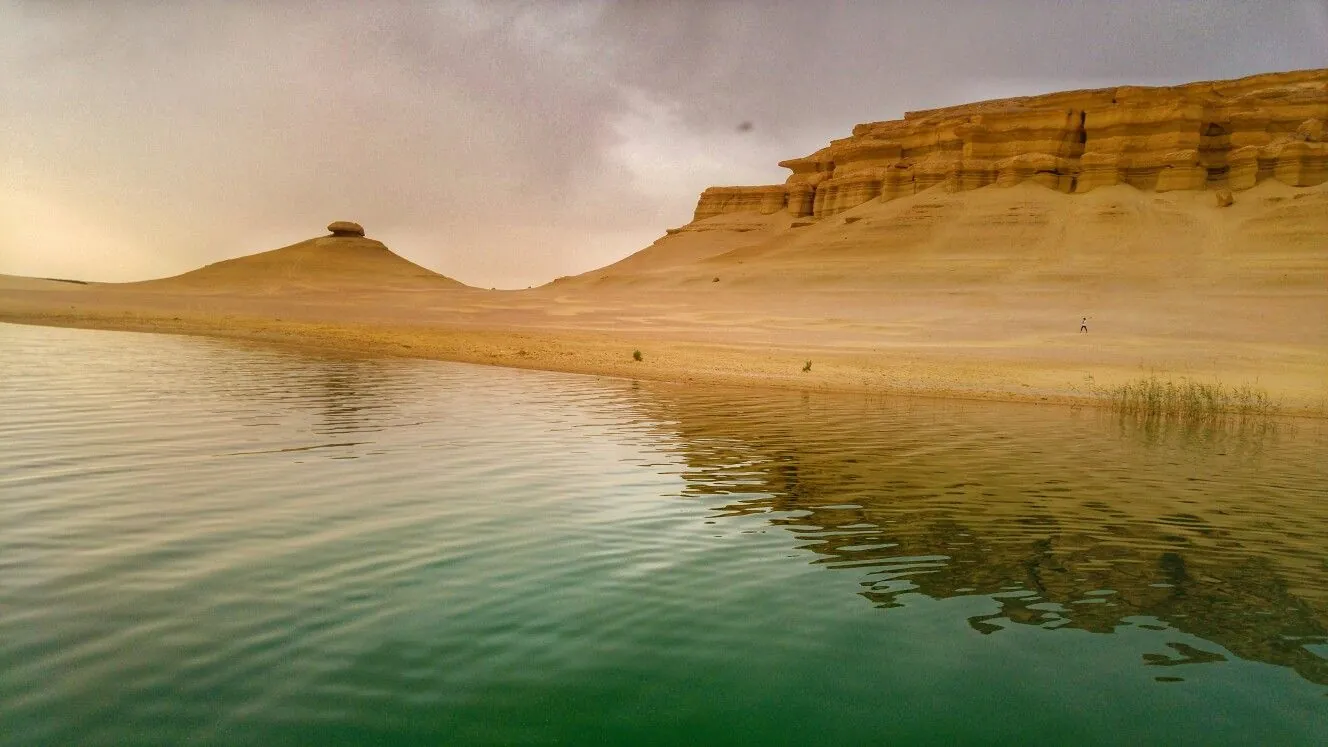
UNESCO listed Wadi El Hitan in 2005 for its fossil whales, the best record anywhere of whales changing from land animals to sea animals. A marked path leads you past skeletons lying where they were found, among wind-carved rocks. The protected area is also home to shy animals such as the African wildcat and the Egyptian mongoose.
Then the pace changes. Your 4x4 climbs and drops over the dunes for around an hour and a half, tilting along the slopes and over the crests. It is bumpy and exciting, and the driver adjusts to your group, so if anyone prefers a gentler ride, say so before you set off.
At a tall dune you try sandboarding. You fasten the board to your feet and slide down the slope, as fast or as slowly as you dare. Falling is part of the fun, and the sand is soft. The hardest part is the walk back up, so most people manage a few runs before moving on.
After the speed of the dunes comes a slow camel ride across the desert. Camels stand up back legs first, so lean back as they rise and hold on to the saddle. From up high you get a wide view of sand, rock and sky, and it is one of the best moments of the day for photos.
The activities end at a Bedouin camp, where a barbecue lunch is waiting. It is time to sit down in the shade, shake the sand out of your shoes and rest. Your guide can tell you more about desert life and the Bedouin families who know this land.
Your driver takes you back to the address where you were picked up. Pickup and drop-off, the 4x4 transfers, entrance fees, the guide and lunch are included in the price, so you only need cash for tips and personal expenses.
What's Included
What the tour price covers, and what to plan for separately.
Paid
★
Your
Own
Frequently Asked Questions
Quick answers about this tour. For anything else, message us on WhatsApp — we reply fast.
The safari starts with pickup at your hotel or chosen address in Cairo or Giza, and ends with drop-off at the same place. Pickup in downtown Cairo and the Giza area is standard; other areas can be arranged for an extra charge. Let us know your address when you book and we will confirm the details.
The price includes pickup and drop-off, 4x4 jeep transfers, entrance fees to the sites, an English-speaking guide and lunch during the tour. Tips and personal expenses are not included. Bottled water is not listed in the inclusions, so bring your own or ask us about it when you book.
The safari is arranged for your own group, so the guide and vehicles are not shared with strangers. The price per person depends on how many people are in your group and on the season, and the price table on this page shows each option. Prices start from $235 per person.
Generally yes, and children often love the sandboarding and the camel ride. The fossil trail is flat and easy. Dune bashing is bumpy, so it is less suitable for very young children, pregnant travelers or anyone with back problems. Tell us the ages in your group when you book, and we will plan the day around them.
Yes. Avicon Travel is a Class "A" travel agency licensed by the Egyptian Ministry of Tourism under License No. 1962 and registered since 2010. Our office and team are in Karnak, Luxor, so the guides, drivers and cars on this tour are our own local team, not a booking desk abroad.